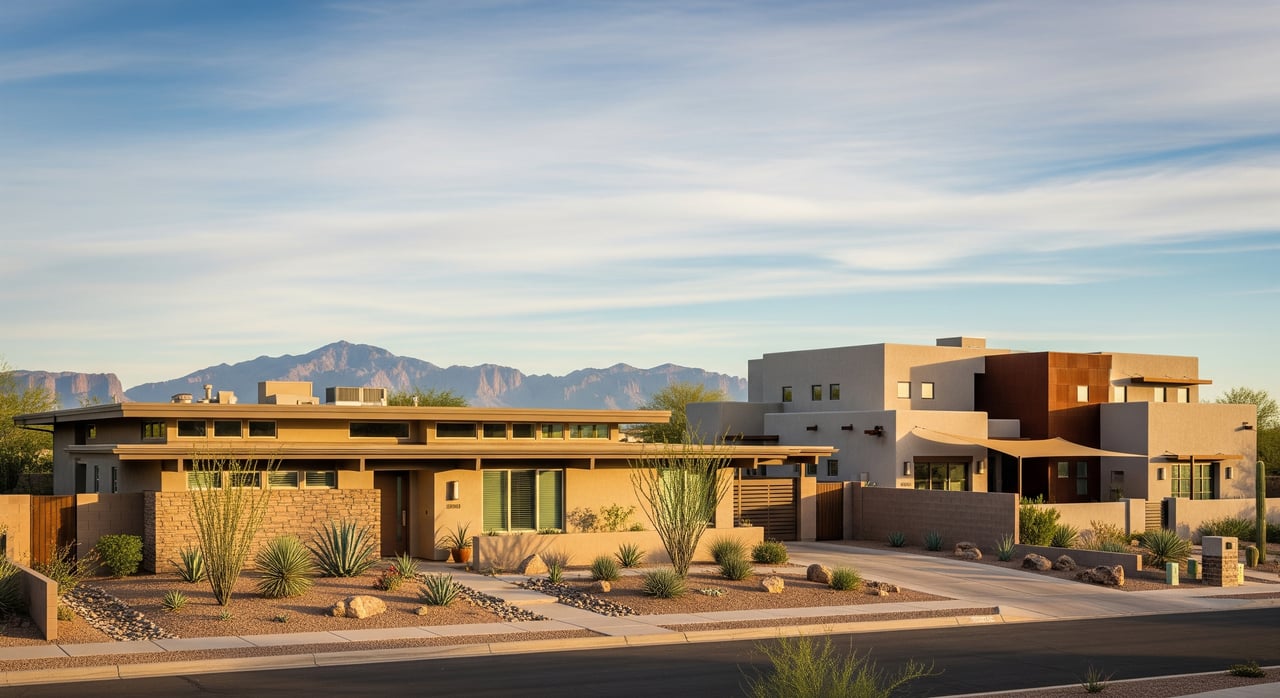
Trying to figure out which Mesa neighborhood fits you best can feel overwhelming. The city stretches from historic streets to brand-new master-planned communities, with very different commutes, amenities, and housing styles. You deserve a clear, local guide that helps you compare areas side by side and build a smart shortlist. In this guide, you’ll see how Mesa’s main corridors differ on homes, commute options, lifestyle, HOAs, and school considerations so you can move forward with confidence. Let’s dive in.
Mesa at a glance
Mesa is Arizona’s third-largest city with a wide range of neighborhoods from mid-century cores to modern master-planned communities. The city’s development and commuting patterns follow major corridors like US-60 and Loop 202. If transit matters to you, the Valley Metro light rail reaches downtown Mesa and connects to Tempe and Phoenix. You can explore system maps and schedules on the Valley Metro website.
Summers are very hot and dry with seasonal monsoon storms, so buyers often weigh energy efficiency, shade, and low-water landscaping. School boundaries vary by neighborhood. Start your research with the Mesa Public Schools site and the Arizona Department of Education for district resources and report card information.
Helpful resources:
- Learn about city services and planning on the City of Mesa website.
- Review bus and rail options through Valley Metro.
- Explore district information via Mesa Public Schools and Arizona Department of Education.
Central Mesa overview
Housing and price position
Central Mesa includes the downtown and historic core with ranch homes and bungalows from the 1950s through the 1970s, plus pockets of infill townhomes and condos. These areas are often among the more affordable in Mesa compared with newer east and southeast communities. Smaller lots and older floor plans are common, which can be attractive if you prefer lower maintenance or renovation potential.
Commute and transit
Central Mesa offers the strongest transit options in the city. You have access to multiple bus routes and the light rail in downtown, which connects you to Tempe and Phoenix. Driving times to Tempe and central Phoenix are typically shorter than from far east neighborhoods due to proximity and direct arterial roads.
Lifestyle and amenities
Downtown Mesa blends urban and suburban living with restaurants, coffee shops, and cultural venues. A major anchor is the Mesa Arts Center, which hosts performances, galleries, and community events. Walkability improves in pockets near downtown where the street grid and mature landscaping add character.
Schools and services
Schools vary by micro-neighborhood, so verify boundaries for each address. Use district resources to confirm current assignments and program options.
Best for
Buyers seeking a lower entry price, convenient transit, cultural amenities, and the flexibility to update an older home.
East Mesa highlights
Housing and price position
East Mesa features mid-aged suburbs from the 1980s through the 2000s and some newer infill. Neighborhoods like Dobson Ranch offer mid-range single-family homes with community lakes and facilities. The Superstition Springs corridor mixes residential areas with significant retail and dining.
Commute and transit
Access to US-60 is a key advantage for East Mesa. You can reach Tempe, Phoenix, and other East Valley job centers with a moderate commute, and several areas have straightforward freeway access. Bus service is available on major arterials.
Lifestyle and amenities
You will find big parks, trail systems, and a variety of shopping and healthcare hubs, including Banner facilities in the broader area. The feel is balanced suburban, and community amenities are a draw for many households.
Schools and services
School options are neighborhood dependent. Confirm boundaries and available programs before you place an offer.
Best for
Households looking for mid-priced single-family homes, parks and lakes, and easy access to retail and services.
Southeast and Gateway area
Housing and price position
The Southeast Mesa corridor near Phoenix-Mesa Gateway Airport includes master-planned communities like Eastmark. You will see modern layouts, energy-efficient construction, and active HOA amenities. Prices tend to be moderate to upper-moderate depending on the plan and lot size, with a premium for newer builds.
Commute and transit
Loop 202 runs nearby, which helps with travel to Scottsdale, Tempe, and other East Valley nodes. Commutes to central Phoenix are longer from this area, but access to Gateway employment centers is a major plus.
Lifestyle and amenities
These communities are designed around parks, playgrounds, and multiuse trails, with new retail and services continuing to open as development grows. Many buyers appreciate the consistent aesthetics and planned activity centers.
Schools and services
Newer schools often open alongside new phases. Boundaries can shift as growth occurs, so check the latest maps and timing if school placement is a priority.
Best for
Buyers who want new construction, modern floor plans, and robust community amenities.
Northeast Mesa foothills
Housing and price position
Northeast Mesa includes the foothills areas by Usery Mountain and popular communities like Las Sendas and Red Mountain Ranch. Expect larger lots, custom or semi-custom homes, and view properties. Prices are typically at a premium compared with most of the city due to setting, privacy, and finishes.
Commute and transit
Car dependency is higher here, and commutes into central Phoenix are longer. Loop 202 provides efficient freeway access to parts of Tempe and Scottsdale.
Lifestyle and amenities
Outdoor recreation is a signature perk. You are close to trailheads and golf, and Usery Mountain Regional Park offers hiking and desert scenery. The overall feel is quieter and more upscale with a focus on outdoor living.
Schools and services
Area schools are a draw for many buyers, though boundaries vary. Review current district resources for each specific property.
Best for
Buyers seeking views, privacy, trail access, golf, and a calm neighborhood setting.
North and West Mesa
Housing and price position
North and West Mesa include a mix of older single-family homes, newer infill, and some industrial or commercial corridors. Prices vary widely by block and proximity to amenities, with pockets of both affordability and higher-value enclaves.
Commute and transit
These areas can offer convenient commutes to Tempe and ASU via arterial roads. Some locations sit close to major employment centers in neighboring cities.
Lifestyle and amenities
Expect a practical mix of regional retail, dining, and access to medical services. The pattern is more varied than in the east and southeast corridors, so on-the-ground tours are important.
Best for
Buyers who want value opportunities, proximity to jobs, or investment potential near employment hubs.
How to choose your Mesa shortlist
Use these steps to narrow your search quickly.
- Define space needs and lot size. Decide whether you prefer an older, smaller-lot home or a newer, larger home with HOA amenities. Central areas skew smaller and older, while southeast and foothills skew newer or larger.
- Map your commute. Test-drive your route at peak times and note proximity to US-60 or Loop 202. If you plan to use transit, check bus routes and light rail connections on Valley Metro.
- Verify school boundaries. Look up each property’s current boundary assignments through Mesa Public Schools and review statewide resources through the Arizona Department of Education.
- Factor HOAs and fees. Master-planned communities like Eastmark, Las Sendas, and Dobson Ranch usually have HOA fees that cover common areas and amenities. Build these into your monthly budget.
- Plan for utilities and maintenance. Energy-efficient construction can lower cooling costs in summer. Ask for energy features and past utility averages when available.
- Check safety and crime data. Review official information through the Mesa Police Department and visit neighborhoods at different times of day for a full picture.
- Review flood or slope considerations. Properties near washes or on steeper lots can have unique insurance or disclosure items. Order a flood-zone determination during due diligence.
- Consider resale dynamics. Compare recent sales, days on market, and nearby new construction that might affect future supply.
Quick matches by buyer profile
- First-time or budget-focused: Consider central Mesa and older established subdivisions where entry prices are typically lower and transit access is stronger.
- Young professionals who value transit and evenings out: Look near downtown and along the light rail corridor, plus west-side pockets with easy access to Tempe and Phoenix.
- Families seeking parks and community amenities: Shortlist Dobson Ranch, the Superstition Springs corridor, and Eastmark for lakes, parks, and planned community centers.
- New-construction shoppers: Focus on Eastmark and other southeast master-planned communities, plus newer infill in east Mesa.
- Privacy and views: Explore Las Sendas, Red Mountain Ranch, and foothill neighborhoods along the northeast corridor for larger lots and outdoor recreation access.
- Investors prioritizing tenant demand: Look near Gateway employment centers, the Tempe corridor, and central Mesa close to transit.
Final thoughts
Mesa gives you real choice, from walkable downtown streets to golf-course foothills and brand-new master plans. The right fit depends on your daily routines, budget, school needs, and how you want to spend your weekends. A short conversation can save you weeks of searching and help you zero in on the best streets and communities for your goals.
If you want tailored neighborhood shortlists, commute tests, and help navigating schools, HOAs, lending, or credit repair, reach out to Braden Johnson. You will get local guidance, clear next steps, and a plan to move from browsing to keys in hand.
FAQs
What makes Central Mesa different from other areas?
- Central Mesa offers older homes on smaller lots, the strongest transit access including light rail, and proximity to downtown amenities like the Mesa Arts Center.
How do HOAs impact budgets in Mesa master-planned communities?
- HOAs in places like Eastmark, Las Sendas, and Dobson Ranch fund amenities and common-area care, so include monthly fees and any transfer or capital costs in your affordability plan.
How does the light rail affect commuting if I live in Mesa?
- The Valley Metro light rail connects downtown Mesa to Tempe and Phoenix, which can reduce driving and parking needs if you live near the corridor.
Where can I check school boundaries for a specific Mesa address?
- Start with Mesa Public Schools for boundary maps and use the Arizona Department of Education for additional district and report card information.
Are there outdoor recreation options near Northeast Mesa?
- Yes, the foothills provide quick access to golf and desert trails, including hiking at Usery Mountain Regional Park.
How can I research safety trends in a Mesa neighborhood?
- Review official data and maps through the Mesa Police Department and visit the area at different times to get a full sense of activity.