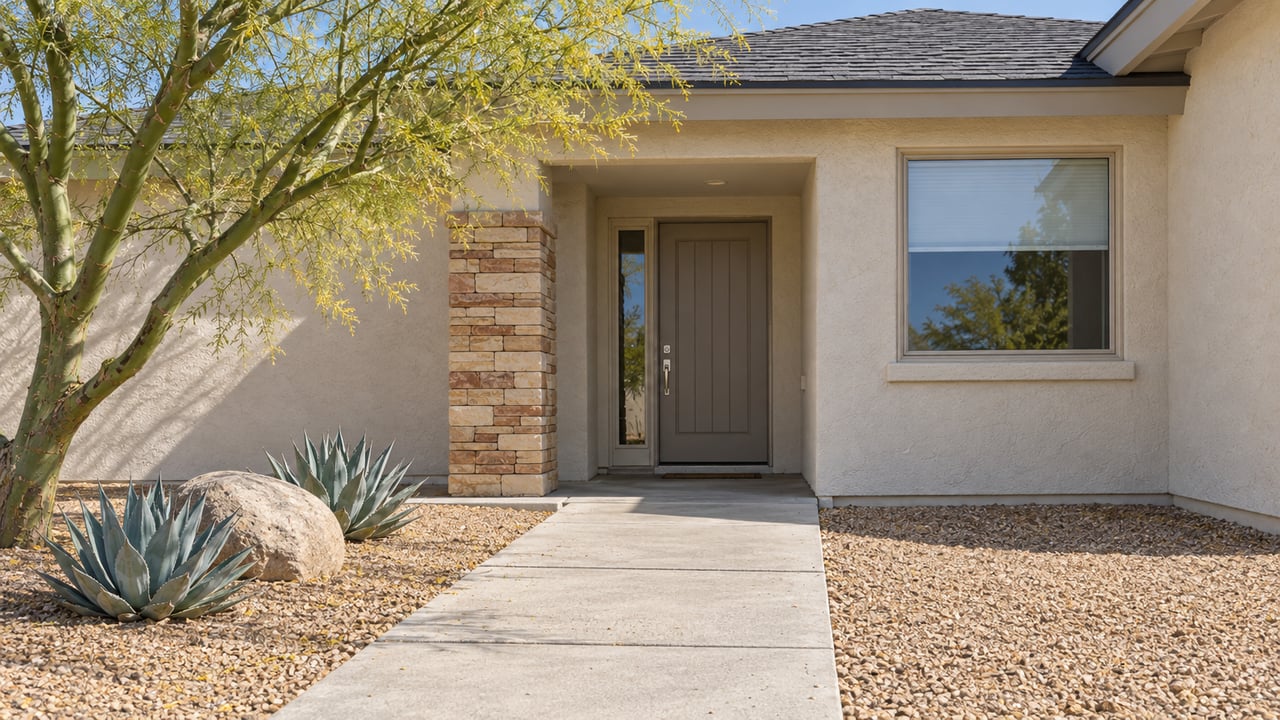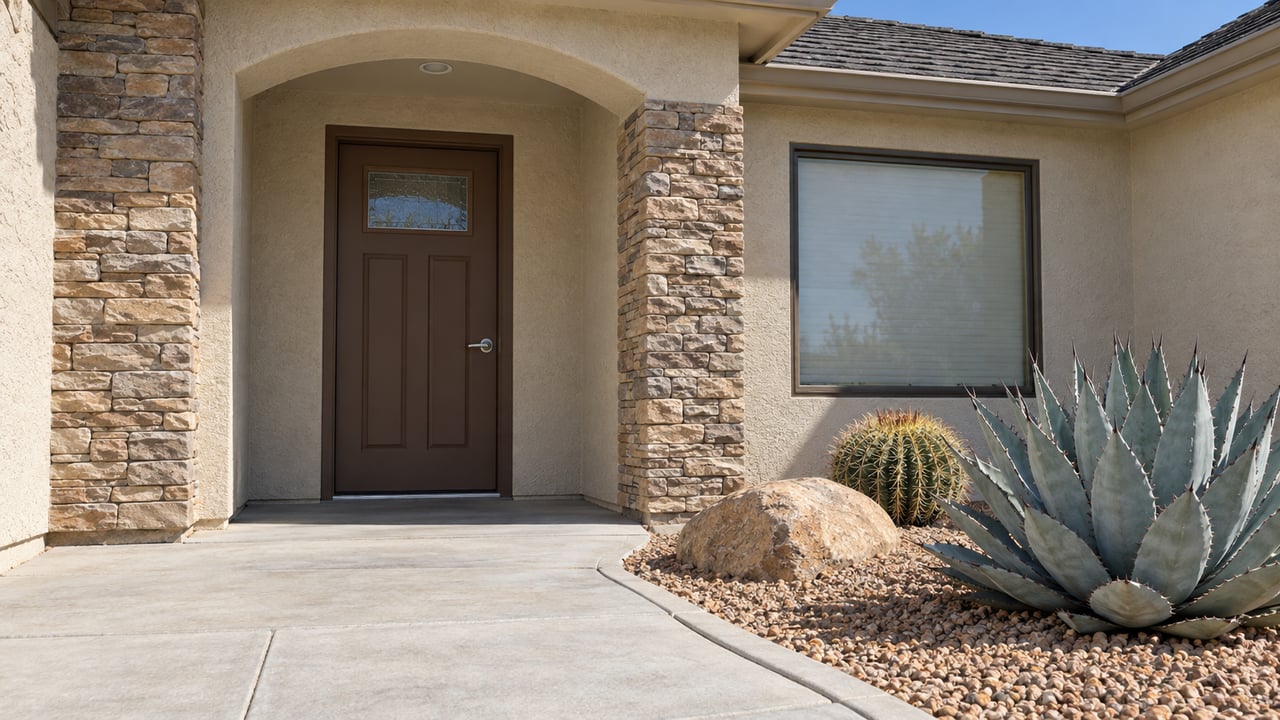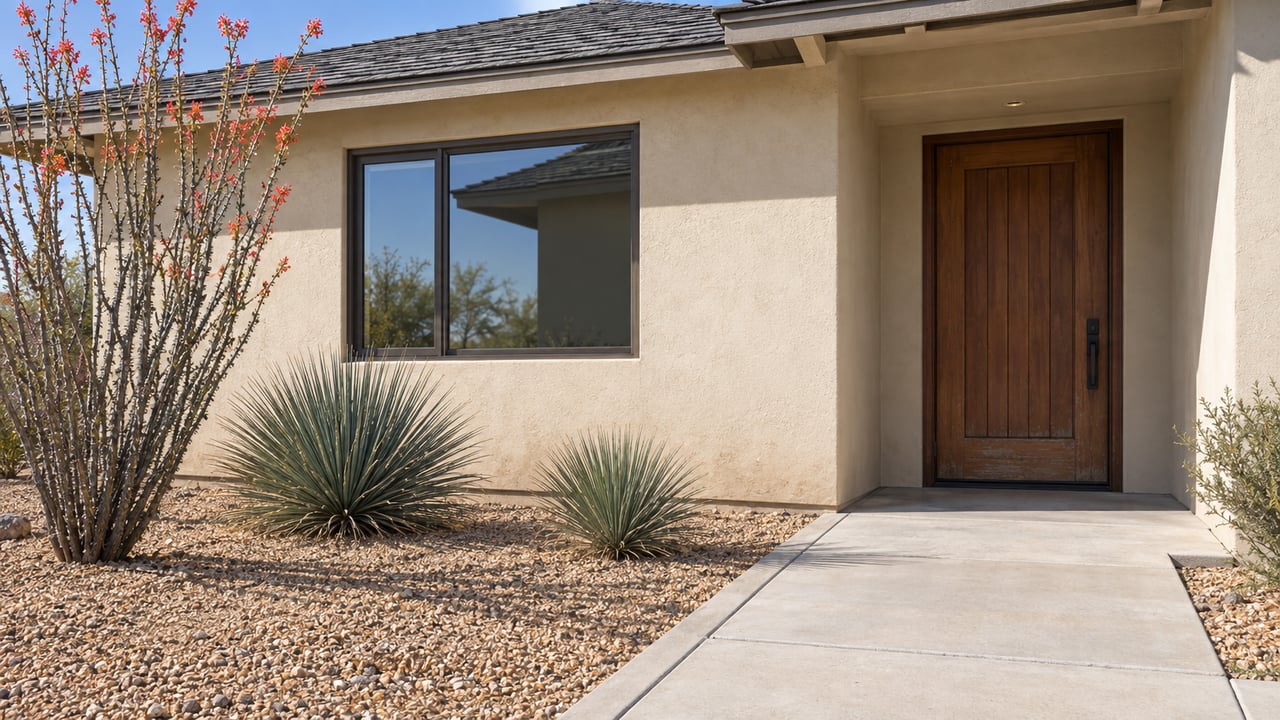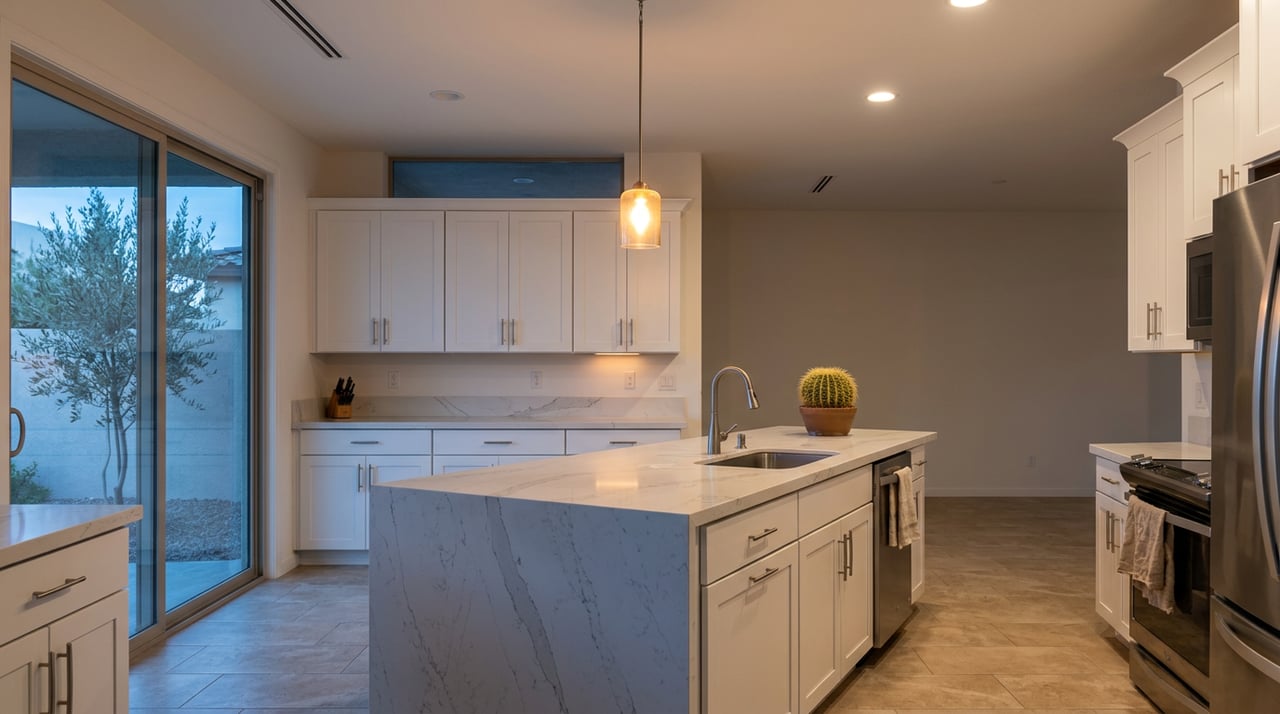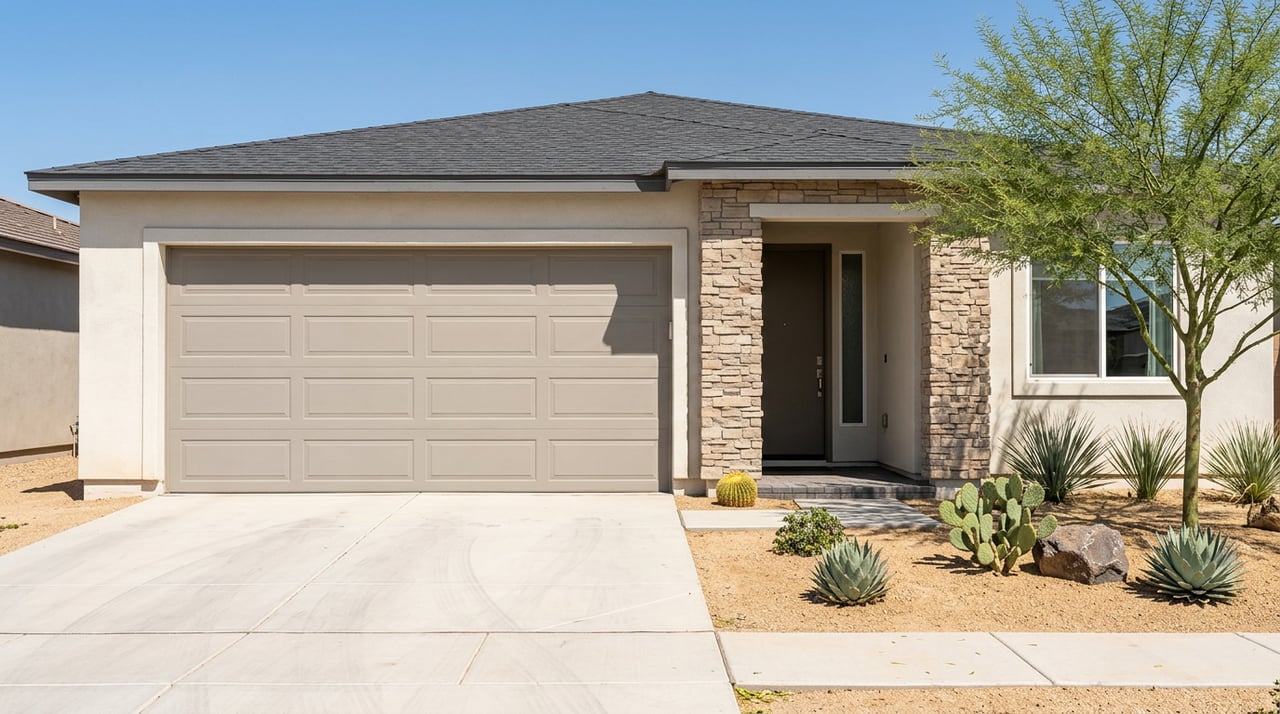
Trying to choose between a brand-new build and a resale home in Queen Creek? You are not alone. With rapid growth, new neighborhoods, and a range of resale options, it can be tough to line up your budget, timeline, and wish list. In this guide, you will see how the two paths compare in Queen Creek, what local fees and rules can affect your costs, and the exact checklists you should use before you commit. Let’s dive in.
Queen Creek market snapshot
Queen Creek continues to grow with new neighborhoods and major investment that shape where and how homes get built. You can learn more about the town’s growth and services on the Town of Queen Creek’s About page. For a quick context check, visit the town’s resource on growth and services at the Town of Queen Creek website.
On pricing, recent third-party trackers show a steady upper-mid market locally. As of Jan 31, 2026, Zillow’s ZHVI for Queen Creek was about $626,700. Redfin reported a median sale price of about $629,000 in January 2026. Early 2026 also brought more selection compared with the peak pandemic years, which can improve negotiation leverage and increase the frequency of builder incentives.
What this means for you: you have options. That makes it even more important to match your buying path to your priorities.
New construction vs resale: how to decide
Your choice usually comes down to five things: timeline, customization, yard/lot needs, HOA tolerance, and pricing or incentives. Here is how each factor typically plays out in Queen Creek.
Timeline and move-in speed
- New construction from dirt start. In many Arizona markets, production homes from site start to finish commonly run 6 to 12 months, and many buyers should expect 7 to 11 months depending on builder, lot readiness, and permits. See the Arizona new-build overview for timing norms in the Jome Arizona guide.
- Quick move-in new homes. Builders often have inventory or near-finished homes that can close in roughly 30 to 80 days, depending on completion stage and lending. You still get new-home benefits without a long wait. Source: Jome Arizona guide.
- Resale homes. Typical contract-to-close for a financed resale is about 30 to 45 days in the U.S., assuming standard lender, title, appraisal, and inspection timelines. See the overview at Rocket Mortgage.
Bottom line: if you need to move in within 90 days, start with resale or builder inventory homes. If you can wait and want to personalize, a dirt-start build can work.
Customization and finishes
- New construction. You pick a plan and personalize through tiers: base package, design-center upgrades, and lot premiums. Expect line-item pricing for flooring, counters, lighting, patios, and larger lots. Landscaping packages vary by builder. Get every “included vs upgrade” item in writing before you sign.
- Resale homes. You get a finished product now, often with mature landscaping and sometimes big-ticket features like a pool or solar. You can remodel later, but changing core items like the floor plan or orientation takes time and budget.
Tip: ask your agent to compare the total cost of common upgrades you want vs buying a resale that already has them.
Lot size and lifestyle fit in Queen Creek
- Newer master-planned areas. Many single-family production lots in popular Queen Creek corridors often fall in the roughly 5,000 to 8,000 square foot range (about 0.12 to 0.18 acres). Resales in communities such as Harvest at Meridian commonly show lots around 0.13 acres in listing data. This size works well if you want a manageable yard and community amenities.
- Acreage and horse privileges. On the Pinal side and near the San Tan Foothills, you can find larger parcels, including 1 acre or more, sometimes with no HOA or lighter CC&Rs. If acreage is your priority, resale or a custom build on a separate lot is usually the path.
HOA rules and monthly fees
- Master-planned new builds. Most new subdivisions include HOAs to fund parks, trails, pools, and maintenance. Monthly dues vary by neighborhood and amenity set. Always request the current budget, reserves, CC&Rs, and any one-time capital contribution.
- Resales. Many established neighborhoods also have HOAs, though you will also find pockets without them. Review the resale certificate and financials during your inspection period.
Arizona regulates HOA processes and disclosures. Before you waive any contingencies, review the state’s guidance and dispute processes through the Arizona Department of Real Estate and related consumer resources. You can start with the ADRE-linked buyer advisory materials in this Buyer & Seller Guide.
Warranties, inspections, and repair risk
- New homes. Many builders offer a “1-2-10” style limited warranty: 1 year for workmanship, 2 years for selected systems, and up to 10 years for major structural coverage. Read who administers claims, how to submit, and transfer rules. See a plain-English explainer of the common structure at National Home Corp.
- Resales. You rely on inspections and seller disclosures. You may choose a service-plan or home-warranty product, but those are optional and vary widely in coverage. Independent inspections are essential for both resales and new construction. For new builds, plan on a pre-drywall and a final inspection, plus a punch list before closing.
Price, incentives, and negotiation style
- New construction. In 2025 to early 2026, many Phoenix-area builders offered aggressive incentives on inventory homes. These can include interest-rate buydowns, closing-cost credits, and upgrade packages. Some require using the builder’s preferred lender and title company. See an example of incentive types at Meritage Homes.
- Resales. Sellers can offer concessions, but they usually do not match the scale of builder-funded buydowns. If your monthly payment is the main driver, builder credits can shift your affordability math. Always confirm whether a buydown is temporary or permanent and ask your lender to show both scenarios.
Queen Creek specifics that affect cost and timing
These local factors can change your bottom line. Ask about them early in your search.
Town permits, impact fees, and capacity fees
The Town of Queen Creek centralized the payment process for new-construction-related fees and has updated schedules you or your builder may encounter. The town’s impact-fee schedule took effect May 12, 2025. Wastewater capacity fees were updated effective Jan 5, 2026. Confirm which fees apply to your lot and who pays them at what stage. See details on the Town fee schedule page.
Assured Water Supply requirements
In Arizona, subdivisions in Active Management Areas must show an Assured Water Supply for 100 years before lots are sold. In practice, you should verify whether the community has a Certificate or Designation of Assured Water Supply or is in a qualifying member area. This is especially important in growth areas on the Pinal side. Learn more and request documentation using the ADWR Assured Water Supply portal.
Infrastructure and special districts
Large projects can accelerate roads, water, and sewer extensions. The LG Energy Solution campus in Queen Creek is a recent example of industrial-scale investment that affects local infrastructure planning. See project context at AZBEX. Ask whether a home sits in a Community Facilities District or carries special assessments that affect your long-term tax bill. Also confirm if streets will be public or privately maintained.
Property taxes: Pinal vs Maricopa
Queen Creek spans Pinal and Maricopa counties. Two similar homes on different sides of the line can have different tax bills and district charges. Before you write an offer, look up the parcel in the correct county’s assessor and treasurer portals and review recent bills and any special-district obligations.
A quick decision framework
Use this to narrow your path in minutes.
- Move-in timing. If you need to close in under 90 days, look at resale or builder inventory homes first. If you can wait 7 to 11 months and want to personalize, a dirt-start build is an option.
- Lot and lifestyle. If you want a manageable yard and community amenities, new construction in master-planned areas can fit. If you want 1 acre or horse privileges, focus on resale or a custom build on a larger parcel.
- HOA preferences. If you prefer consistent neighborhood standards and amenities, HOAs can be a plus. If you want more flexibility, target areas with minimal or no HOA and confirm CC&Rs.
- Monthly payment vs total price. If payment is your driver, builder credits and buydowns can help. If you prefer larger yards or finished features like a pool, a resale may deliver more for the same price.
- Repair risk. New homes reduce early repair exposure and come with defined warranties. Resales require a careful inspection plan and budgeting for future updates.
New construction checklist
Date your findings “as of [today’s date]” because fees and incentives change often.
- Location and taxation. Is the lot in Town limits or unincorporated county? Which county taxes it: Pinal or Maricopa? Confirm parcel ID using county tools.
- Assured Water Supply. Who holds the CAWS or DAWS, or is the property in a qualifying member area? Request the ADWR determination or developer documentation via the ADWR portal.
- Build timeline. What is the realistic start-to-finish schedule, including permit timing and lender milestones? Ask for a written construction calendar with remedies for missed deadlines. See typical ranges in the Jome Arizona guide.
- Pricing and options. Get a written list that separates base price from upgrades: appliances, counters, flooring, lighting, patios, landscaping, fencing, garage extensions, and lot premiums.
- Incentives. Are there interest-rate buydowns, closing-cost credits, or upgrade packages? Do they require the preferred lender or title company? Request written terms and have your lender model payment scenarios. For examples of incentive structures, review current promotions like those shown by Meritage Homes.
- Town fees. Which municipal impact or capacity fees apply, and who pays them at permit or closing? Confirm details with the Town fee schedule.
- HOA documents. Request draft CC&Rs, bylaws, current budget, reserve statement, transition plan from developer to owners, projected monthly dues, and any one-time capital contributions.
- Warranties. Obtain the warranty document showing coverage terms, administrator, response times, and transferability. See common structures at National Home Corp.
- Inspections. Confirm you may order independent inspections, including pre-drywall and a final walkthrough with a punch list before closing.
Resale home checklist
Date your findings “as of [today’s date]” for accuracy.
- Disclosures and permits. Review seller disclosures plus permits and finals for any additions or major remodels. Request receipts and contractor info for roof, HVAC, pool, foundation, and electrical work. See the ADRE-linked buyer advisory resources in this Buyer & Seller Guide.
- Systems and specialty inspections. Verify roof age, HVAC condition, water heater, electrical panel amperage, and irrigation. Consider termite, pool, and sewer-scope inspections where applicable.
- HOA resale certificate. Review financial standing, reserves, pending assessments, and CC&R enforcement history. Get management contact info for future reference.
- Property taxes and districts. Pull recent tax bills and ask about any Community Facilities District or special assessments. Use county resources and recent public notices to confirm, such as updates posted by Pinal County.
- Nearby development. Check for approved projects that could affect traffic, services, or values. Industrial projects, like the LG Energy Solution campus, show how area growth can shape infrastructure. For context, see AZBEX.
Final thoughts
Both paths can be smart in Queen Creek. If you value personalization, lower early repair risk, and potential payment help through incentives, new construction might be your winner. If you want a larger lot, mature landscaping, or you need to move fast, a resale or builder inventory home is often the better fit. Whichever route you choose, make sure you confirm water assurances, town fees, HOA rules, and any special assessments before you sign.
If you want a local, no-pressure walkthrough of your options, reach out to Braden Johnson. You will get neighborhood-level guidance, clear lender comparisons, and a step-by-step plan to buy with confidence.
FAQs
What is the typical build time for a new home in Queen Creek?
- Many Arizona production builds run about 6 to 12 months from site start, while quick move-in inventory can often close in 30 to 80 days. See norms in the Jome Arizona guide.
How fast can I close on a resale home in Queen Creek?
- A financed resale typically closes in about 30 to 45 days, depending on lender, appraisal, title work, and inspections. See an overview at Rocket Mortgage.
Do new homes in Queen Creek usually have HOAs?
- Yes, most master-planned new communities include HOAs for amenities and maintenance. Always review the CC&Rs, budget, reserves, and any one-time fees before you commit.
What local fees should I budget for on a new build in Queen Creek?
- Confirm municipal impact fees and wastewater capacity fees, which the town updated effective May 12, 2025 and Jan 5, 2026. Ask who pays and when. Details are on the Town fee schedule.
How do I verify a Queen Creek community’s water supply status?
- Ask for the Certificate or Designation of Assured Water Supply or documentation that shows compliance. You can learn about the process and forms at the ADWR portal.
Are property taxes the same in all parts of Queen Creek?
- No. Queen Creek spans Pinal and Maricopa counties, and tax bills can differ by county and special districts. Always check the parcel’s county assessor and treasurer records before you offer.