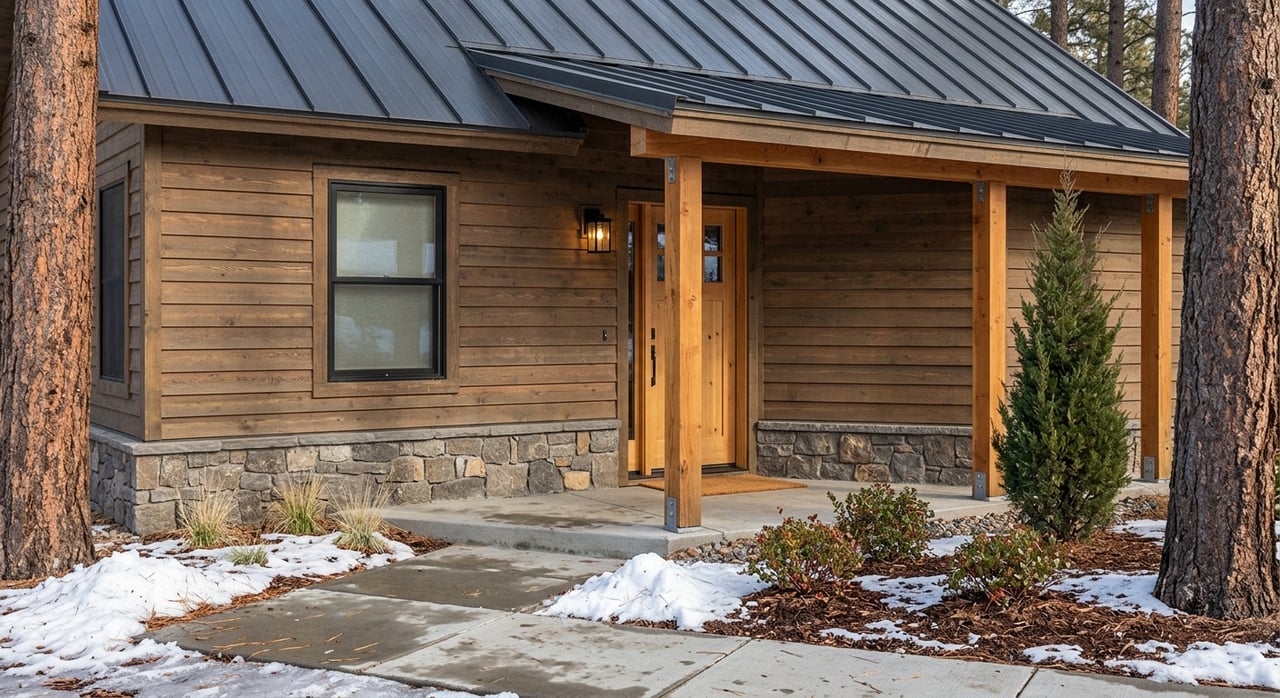
Dreaming about a cabin in the White Mountains? If you live in Phoenix or the East Valley, buying a retreat near Pinetop-Lakeside can sound like the perfect escape from summer heat and city pace. But a mountain property comes with different rules, costs, and day-to-day realities than a typical second home, and knowing those details upfront can help you buy with confidence. Let’s dive in.
Why Pinetop-Lakeside draws cabin buyers
Pinetop-Lakeside offers more than a weekend hideaway. The town describes itself as a 6,800-foot mountain community with distinct seasons and an average of about 38 inches of snowfall each year, which helps explain why many Arizona buyers are drawn to the area for cooler weather and a four-season setting. You can learn more through the town’s snow information page.
The lifestyle appeal also goes beyond sitting on a deck in the pines. Local amenities include Woodland Lake Park, Mountain Meadow Recreation Complex, TRACKS Trails, White Mountain Disc Golf, and White Mountain Nature Center, which means your cabin can support year-round recreation and not just summer use.
For many buyers, that mix is the real draw. You get mountain scenery, cooler temperatures, and access to outdoor activities, but you also need to think about how the property works in winter and during shoulder seasons.
What cabin homes often include
Cabin-style homes in and around Pinetop-Lakeside often include the features buyers expect, like fireplaces, wooded settings, covered patios or decks, and a mountain look. Current local examples also show practical features such as workshops and attached garages, along with cabin and log-cabin home styles.
That matters because the best cabin for you may not be the most rustic one. Features like garage space, central systems, and year-round comfort can matter just as much as wood finishes and forest views when you plan to use the property regularly.
If you are comparing options, it helps to look at both the charm and the function of each home.
| Feature | Why it matters |
|---|---|
| Fireplace | Adds comfort and cabin feel |
| Covered deck or patio | Expands outdoor living space |
| Attached garage | Helps with storage, parking, and winter convenience |
| Workshop | Useful for tools, gear, and property upkeep |
| Year-round systems | Supports more comfortable use in all seasons |
Check utilities before you buy
One of the biggest mistakes buyers can make is assuming every cabin has the same utility setup. In this area, utility and wastewater systems are not uniform, and Navajo County Planning and Development Services notes that septic system design and installation are regulated at the county level.
The county also notes that wastewater collection in the Pinetop-Lakeside area is provided by the Pinetop-Lakeside Sanitary District, while other water providers also serve parts of the area. In practical terms, that means one property may be connected to public systems while another may rely on a private well, septic system, or a different service arrangement.
Before you close, confirm exactly what serves the property. That includes water, sewer or septic, and any maintenance responsibilities tied to those systems, because those details affect inspections, ownership costs, and future resale.
Understand permits for future upgrades
If your dream cabin includes adding a deck, expanding a garage, or making other improvements, check permit requirements early. The Town of Pinetop-Lakeside states that a valid building permit is required before construction begins, and county planning also oversees building construction and septic-related permitting in its service areas.
This is especially important if you are buying an older property and already planning updates. A cabin that looks move-in ready for weekends may still need permitting review for the projects you want to tackle later.
Winter access matters more than buyers expect
A cabin’s setting can be beautiful, but access should be part of your decision from day one. In and around Pinetop-Lakeside, road maintenance depends on location, with ADOT handling Highway 260, the town handling public roads inside town limits, and Navajo County handling roads outside incorporated town limits except state-maintained roads.
The town also says homeowners are responsible for clearing the driveway berm or windrow left by the plow. That is a detail many part-time owners do not think about until after a storm.
The town’s snow guidance explains that when snowfall reaches 2 inches or more, its snow shift is deployed, and a typical 4- to 6-inch storm can require at least two days of plowing after snowfall ends. If your property is on a private street, the town says you should have a plowing plan in place, and winter travel should be avoided when conditions are poor.
Plan for winter travel from the Valley
If you are driving up from Phoenix, Mesa, Chandler, Gilbert, or nearby East Valley areas, your travel plan matters. ADOT’s winter driving guidance recommends planning your route in advance, checking AZ 511, and preparing for snow, ice, and freezing temperatures before travel.
That means you should think beyond the easy summer drive. A cabin retreat near Pinetop-Lakeside can be a great fit, but you want to be realistic about winter arrival times, road conditions, and whether you may need extra flexibility during storms.
Forest access and fire conditions can change
Many buyers love being close to the Apache-Sitgreaves National Forests, but nearby access is not always static. The Forest Service notes that some roads and recreation areas can be gated seasonally, and certain areas may close during winter weather or active forest operations.
The Forest Service also issues fire restriction orders during dry periods, and prescribed fire operations can create closures or visible smoke near Pinetop-Lakeside. Because of that, it is smart to ask about defensible space, roof condition, and nearby forest access patterns before you buy.
Second-home financing is different
Financing a cabin retreat is not always the same as financing your primary residence. According to Fannie Mae occupancy guidelines, a second home must be a one-unit property that you occupy for part of the year, that is suitable for year-round occupancy, that remains under your exclusive control, and that is not a rental property or timeshare.
Those rules are important if you are looking at cabins marketed with heavy short-term rental language. A property’s use and occupancy classification can affect whether it fits second-home financing.
There can also be down payment differences. Freddie Mac’s conforming guidelines show a maximum 90% LTV for a second-home purchase loan, compared with 95% for a one-unit primary residence.
That is one reason it helps to talk with a lender before you get too far into your search. You want clarity on whether the property qualifies as a true second home and how much cash you will need for the down payment and closing costs.
Budget beyond the mortgage
Mountain-home ownership usually involves more than a monthly payment. The Consumer Financial Protection Bureau says closing costs typically run about 2% to 5% of the purchase price, before your down payment.
Local pricing also matters as you set expectations. Recent market snapshots in the research report showed median prices in the mid-to-high $500,000s, including $598,000 reported by Realtor.com for January 2026 and $555,000 reported by Redfin for February 2026.
On top of purchase costs, you should budget for:
- Snow removal or driveway clearing
- Routine maintenance
- Utility costs
- Private-road access planning, if applicable
- Travel flexibility during winter storms
- Ongoing upkeep tied to part-time ownership
The big picture is simple. A cabin near Pinetop-Lakeside can be an amazing lifestyle purchase, but it works best when you treat it like part-time mountain living, not just a casual second address.
How to shop smarter for a cabin retreat
If you want to buy with fewer surprises, keep your search focused on function as well as style. A pretty cabin photo set does not tell you how the property performs in January, how the utilities are set up, or whether your financing plan fits the intended use.
As you narrow your options, pay close attention to:
- Road maintenance responsibility
- Public versus private street access
- Water and wastewater setup
- Winter usability and storm access
- Permit needs for future improvements
- Occupancy rules for financing
When you line up those details early, you can make a much more confident decision.
If you are weighing a cabin retreat near Pinetop-Lakeside and want practical guidance from an Arizona agent who understands how second-home decisions fit into your bigger financial picture, connect with Braden Johnson. You will get clear advice, responsive support, and a local-minded approach that helps you think through the purchase from both a lifestyle and budgeting standpoint.
FAQs
What should you check before buying a cabin near Pinetop-Lakeside?
- Confirm road access, utility setup, water and sewer or septic service, winter usability, and any permit needs for future improvements.
How does winter weather affect cabin ownership in Pinetop-Lakeside?
- Snow can affect travel, plowing timelines, and driveway clearing responsibilities, so you should understand who maintains the road and have a plan for storms.
Can you finance a Pinetop-Lakeside cabin as a second home?
- Yes, if the property and your intended use meet second-home guidelines, including year-round suitability, borrower occupancy for part of the year, and non-rental classification.
Why do utilities vary between cabins near Pinetop-Lakeside?
- Properties in the area may connect to different water and wastewater systems, including sanitary district service or private systems, so each home should be verified individually.
What extra costs should you budget for with a mountain cabin?
- In addition to your mortgage, plan for closing costs, snow removal, maintenance, utilities, and possible access-related expenses tied to weather or private roads.