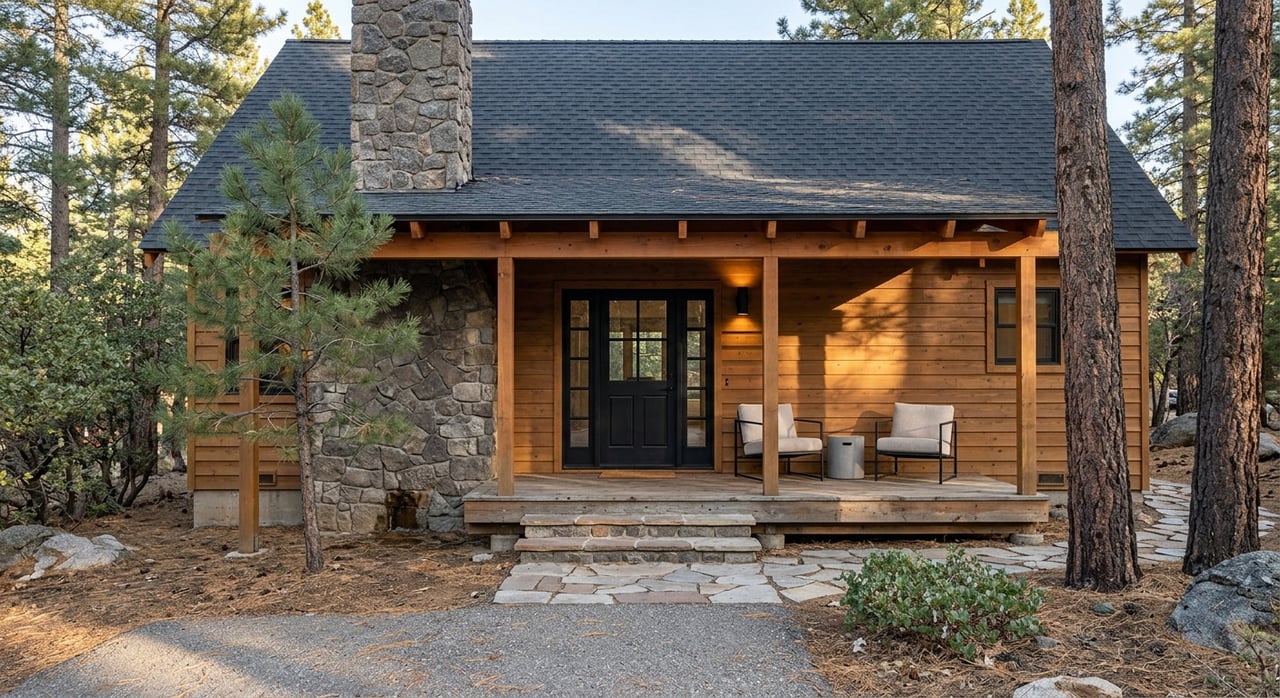
Thinking about buying a Pinetop cabin that can pull double duty as your getaway and an income property? That idea has real appeal, especially in a mountain market known for cool summers, winter scenery, and a steady flow of seasonal visitors. If you want to enjoy the cabin yourself while also offsetting costs when you are away, the key is understanding how Pinetop use, seasonality, and rental rules fit together. Let’s dive in.
Why Pinetop cabins attract seasonal buyers
Pinetop-Lakeside sits in the White Mountains at roughly 6,800 to 7,000 feet, and the town positions itself as a four-season destination. The area is tied closely to tourism, seasonal visitors, and a second-home market, which makes cabins a natural fit for part-time owners. If you are looking for a property that supports both lifestyle and income goals, that local context matters.
The area also offers the kind of outdoor access many cabin buyers want. Town materials highlight more than 50 alpine lakes, 800 miles of rivers and springs, and more than 200 miles of developed multi-use trails. That broad recreation base helps explain why cabins here can appeal across different seasons instead of depending on just one peak travel window.
What seasonality means for your plan
One of Pinetop’s biggest selling points is weather. Nearby NOAA normals for Pinetop 2E show July average temperatures around 82.2°F for highs and 52.3°F for lows, which supports the classic cool-summer cabin draw. For many Arizona buyers, that makes a mountain property especially attractive as a warm-weather escape.
Winter is part of the equation too. January averages are about 45.3°F and 19.7°F, and the area sees about 70.3 inches of annual snowfall. That does not make a cabin impractical, but it does mean you should plan for access, heating, and snow readiness from day one.
Choose your rental strategy first
Before you focus on finishes, furniture, or listing photos, decide how you want the property to function. In Pinetop, the biggest planning choice is whether you want to rent the cabin for short stays or use 30-day-or-longer seasonal leases. That one decision changes your permit path, tax treatment, and management workload.
For many buyers, the best fit is a hybrid approach. You use the cabin personally part of the year, then rent it when you are away. That can work well, but the details matter, especially if you want the setup to stay simple and compliant.
Short-term rental use under 30 days
If the cabin is inside Pinetop-Lakeside town limits and you plan to rent it for fewer than 30 consecutive days, the town requires an annual license for each property before it is offered for rent. The current license fee is $250 per property. This applies on a property-by-property basis, so you want to verify the exact status of the home you are considering.
To apply, the town requires a valid Arizona TPT license, proof of ownership, at least $500,000 in liability insurance or equivalent platform coverage, and a local emergency contact who can be reached within 60 minutes. The town also requires neighbor notification and annual renewal. If you are buying with rental use in mind, these are not small details. They affect how hands-on your ownership experience will be.
Arizona also treats short-term lodging differently for tax purposes. The Arizona Department of Revenue says short-term lodging is subject to TPT, your TPT number must appear in advertising, and you still need a TPT license even if an online lodging marketplace remits taxes for you. Pinetop-Lakeside lists a total short-rental tax rate of 12.38%.
If you only plan to rent part of the year, ADOR also offers a seasonal TPT license for part-year short-term rentals. Even then, filing obligations continue, including filing a $0 return for a period with no rental activity. That is one reason many buyers benefit from choosing a rental structure before they make an offer.
Seasonal leasing for 30 days or more
If you would rather keep turnover lower and avoid the short-term rental permit path, a 30-day-or-longer seasonal lease may be the better fit. That route changes the tax treatment and can reduce some of the operational demands that come with nightly or weekly rentals. For some owners, especially those who want predictable occupancy with less frequent cleanings and guest coordination, this can be a more comfortable model.
Arizona’s residential rental tax change removed city TPT on long-term lodging effective January 1, 2025. For long-term rentals, the property still needs county assessor registration, and out-of-state owners must record an Arizona statutory agent. In practical terms, the 29-day versus 30-day cutoff is one of the most important decisions you will make.
Features that fit the Pinetop cabin market
Not every cabin works equally well as a seasonal or rental home. In a tourism-driven area near the Apache-Sitgreaves National Forest and Sunrise Park Resort, practical features often matter more than highly personal design choices. If rental flexibility is part of your goal, it helps to think like both an owner and a guest.
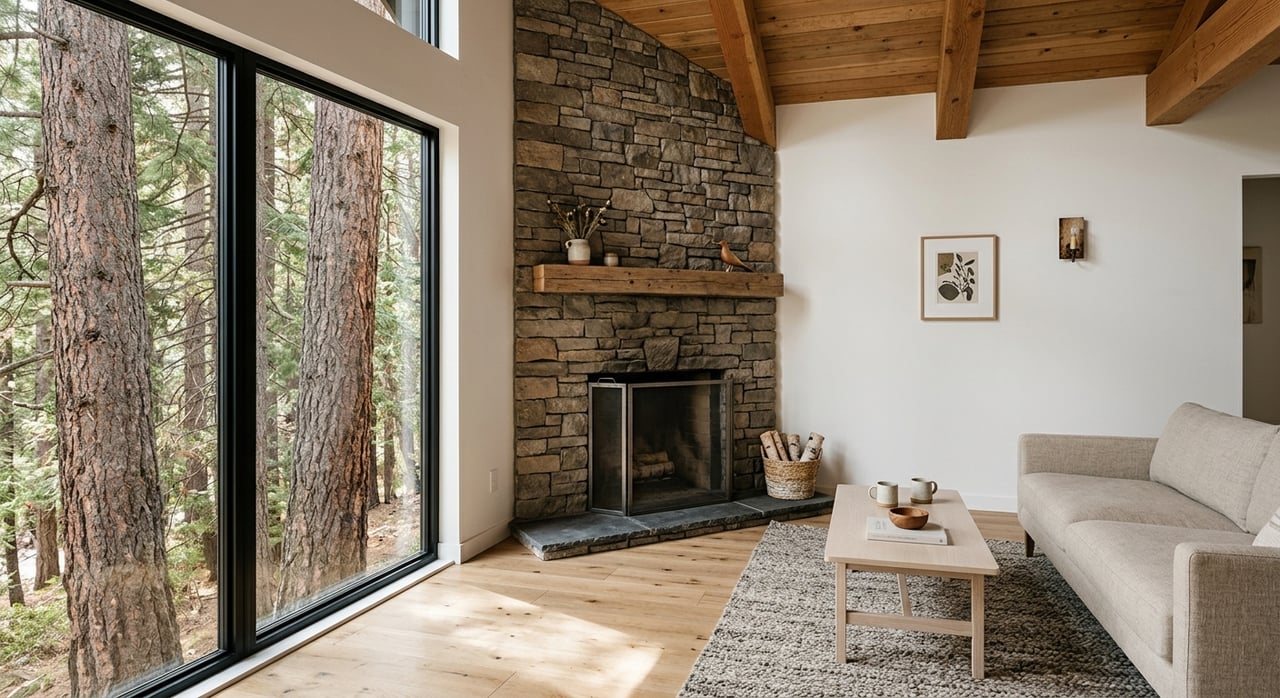
Cabins with easy winter access, dependable heat, practical parking, gear storage, and usable outdoor space are likely to fit the local market better. That does not mean the home needs to feel generic. It means the property should work well in real conditions, across changing seasons, for people coming to fish, hike, golf, snowshoe, ski, or simply enjoy the mountains.
You should also treat year-round access and wildfire preparedness as operational features, not extras. The town maintains emergency preparedness resources that include wildfire planning, Firewise information, Ready Set Go guidance, and snow and winter resources. For a buyer, that means the cabin’s setting, access, and upkeep plan deserve close attention before closing.
Build a realistic cabin budget
It is easy to focus on the purchase price and overlook the true cost of owning a mountain property. A better approach is to separate acquisition costs from recurring operating costs. That gives you a clearer picture of whether the cabin supports your personal goals and your budget.
For a rental-capable cabin, recurring costs can include:
- Short-term rental license fees, if applicable
- TPT compliance and filing
- Liability insurance
- Cleaning and turnover costs
- Snow removal
- Seasonal landscaping
- A reserve for weather-related wear and tear
Utilities also deserve extra attention during due diligence. The town notes that electric, water, and sewer service are handled by independent providers rather than by the town itself. Before you close, verify utility accounts and monthly bills so you know what ongoing ownership will really look like.
Maintenance matters more in the mountains
A Pinetop cabin is not usually a set-it-and-forget-it property. Snow, freezing temperatures, and seasonal weather can put more stress on a home than many owners expect. If you live elsewhere for part of the year, a regular inspection and maintenance routine becomes even more important.
Nearby snowfall normals and the town’s winter resources support building a winter reserve into your budget. Summer deserves its own planning too, since the town also provides wildfire preparedness resources. A strong annual calendar should include winter checks, seasonal system reviews, and summer fire-prep tasks.
Check permits before you renovate
Many buyers want to update a cabin after purchase, especially if they plan to use it as a rental. That can be a smart move, but only if you confirm what approvals are required. In Pinetop-Lakeside, a building permit is required before any construction, and plumbing, mechanical, and electrical work may also require permits.
If the property uses septic, the town’s permit process also calls for county health approval. That is important if you are considering additions, remodel work, or system upgrades. Before you count on a project to improve rental performance, make sure the work is actually allowed and properly permitted.
A simple way to evaluate a Pinetop cabin
If you are comparing cabins, it helps to use a practical checklist instead of relying only on charm. Mountain properties can feel appealing in person, but the best fit is usually the one that supports your intended use with the fewest surprises. A structured review can save you money and frustration later.
Ask these questions as you evaluate each property:
- Will you use it mostly yourself, rent it short term, or lease it for 30 days or more?
- Is the home inside Pinetop-Lakeside town limits?
- Does the layout support guests and easy turnover?
- Is there dependable heat and clear winter access?
- Is parking practical in snow season?
- Is there enough storage for outdoor gear?
- What are the utility providers and average bills?
- Does the property need any permits or approvals for planned upgrades?
- Will you need a local emergency contact or an Arizona statutory agent?
- Have you budgeted for snow removal, insurance, and seasonal maintenance?
The best use is often a hybrid one
For many buyers, the smartest way to think about a Pinetop cabin is as a hybrid lifestyle asset. You get a personal retreat in a four-season mountain setting, with the option to generate income when you are not using it. That can be a strong combination, but it works best when the property matches your goals and the local rules.
The real key is choosing your rental model early. If you know whether you want short-term stays or 30-day-plus seasonal leases, you can shop with more confidence, budget more accurately, and avoid buying a cabin that creates more management work than you want. A good purchase is not just about finding a beautiful cabin. It is about finding one that fits how you actually plan to own it.
If you are weighing a Pinetop cabin for personal use, seasonal income, or both, working with an agent who can help you think through property fit, operating costs, and resale potential can make the process much clearer. Reach out to Braden Johnson if you want help evaluating your options and building a plan that fits your goals.
FAQs
What makes Pinetop a good place for a seasonal cabin?
- Pinetop-Lakeside is a four-season destination in the White Mountains with cool summers, winter snowfall, and strong recreation access including lakes, rivers, springs, and multi-use trails.
What counts as a short-term rental in Pinetop-Lakeside?
- If a property inside town limits is rented for fewer than 30 consecutive days, the town treats it as a short-term rental and requires an annual license before it is offered for rent.
What does a Pinetop-Lakeside short-term rental license require?
- The town requires a $250 annual license fee, a valid Arizona TPT license, proof of ownership, at least $500,000 in liability insurance or equivalent platform coverage, a local emergency contact reachable within 60 minutes, neighbor notification, and annual renewal.
What tax rules apply to a Pinetop short-term rental?
- Arizona says short-term lodging is subject to TPT, the TPT number must appear in advertising, and owners still need a TPT license even if a lodging platform remits taxes. Pinetop-Lakeside lists a 12.38% total short-rental tax rate.
What changes if I rent my Pinetop cabin for 30 days or longer?
- A 30-day-or-longer lease follows the long-term rental path instead of the short-term rental permit path, and Arizona removed city TPT on long-term lodging effective January 1, 2025.
What should I budget for when owning a Pinetop rental cabin?
- In addition to purchase costs, you should plan for items like licensing, tax compliance, insurance, cleaning, snow removal, landscaping, utility bills, and a reserve for weather-related wear.
Do I need permits to renovate a cabin in Pinetop-Lakeside?
- Yes. The town says a building permit is required before construction, and plumbing, mechanical, and electrical work may also require permits. If the property uses septic, county health approval is also part of the process.
What features help a Pinetop cabin work better as a rental or seasonal home?
- Practical features such as easy winter access, dependable heat, functional parking, gear storage, and usable outdoor space are well aligned with how visitors use the area across the year.