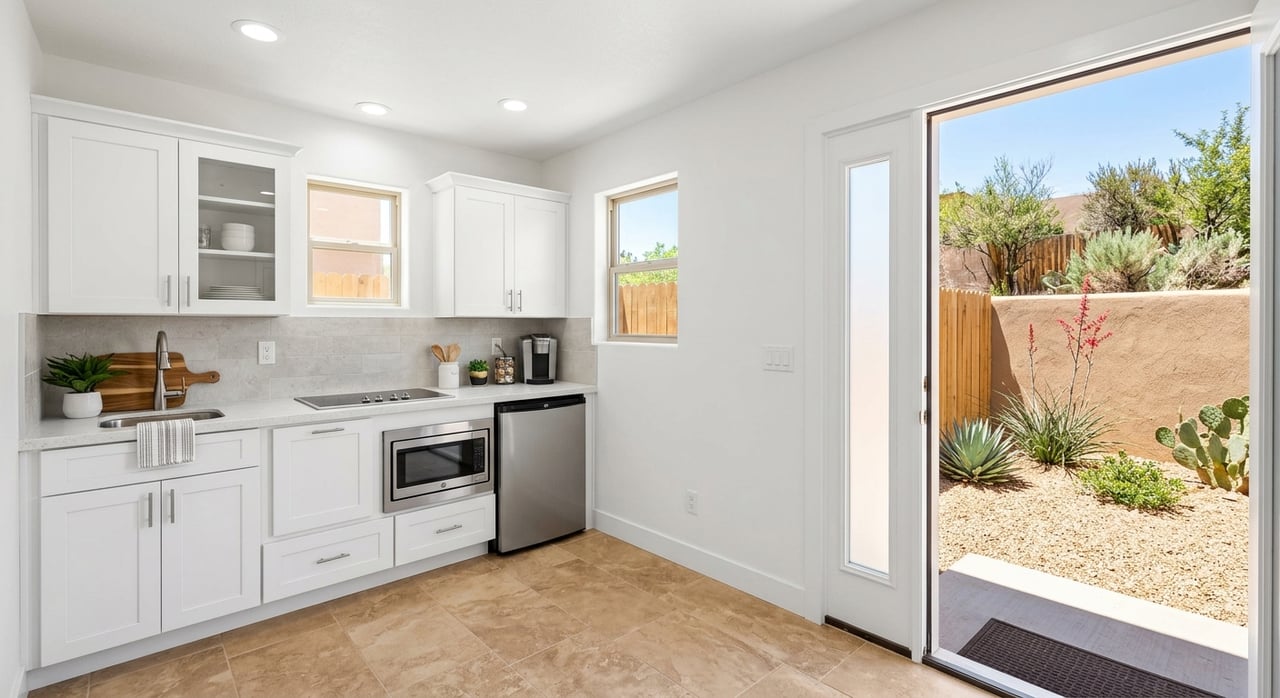
Wondering if your first Mesa home could help pay for itself? That idea is exactly why many first-time buyers look at house hacking, which usually means living in the home while renting out a room, guest suite, or separate dwelling space. If you want a practical way to lower your monthly housing cost, this guide will walk you through how house hacking works in Mesa, what rules matter most, and how to spot a property with real potential. Let’s dive in.
What House Hacking Means in Mesa
House hacking is a simple idea with a lot of local details. In Mesa, it often means you buy a home, live in part of it, and rent another part to help offset your mortgage.
That rental space could be a bedroom with shared common areas, a guest suite, or an accessory dwelling unit, also called an ADU. Mesa defines an ADU as a secondary dwelling unit on the same lot as the primary residence, with living, sleeping, eating, cooking, and sanitation facilities.
For first-time buyers, the appeal is easy to understand. Instead of covering the full monthly payment on your own, you may be able to use rental income to make homeownership feel more manageable.
Why First-Time Buyers Consider It
Mesa home prices are still high enough that many buyers want a strategy, not just a house. Redfin reports a May 2026 median sale price of $454,728 in Mesa, and homes receive about 2 offers on average and sell in around 50 days.
That does not mean buying is out of reach. It means your purchase plan matters, and house hacking can be one way to create more breathing room in your monthly budget.
For some buyers, especially if you are self-employed or trying to keep your fixed costs lower, a home with income potential can be more attractive than a standard floor plan. The key is making sure the property, the numbers, and the rules all line up before you buy.
Mesa ADU Rules to Know
If your house hacking plan involves an ADU, Mesa’s local rules matter. Mesa updated its ADU and detached-accessory standards in Ordinance 5950, adopted July 8, 2025.
Under the current code, Mesa allows ADU pathways for:
- Internal renovation of a primary residence
- Conversion of an existing detached accessory structure
- New attached ADU construction
- New detached ADU construction
Some of the most important practical standards include:
- The ADU must have a separate and independent entrance
- It may have a partial or full kitchen
- Only one kitchen per ADU is allowed
- There is no minimum lot size
- The ADU interior habitable area cannot exceed 75% of the primary residence or 1,000 square feet, whichever is less
- New ADU structures must meet 5-foot side and rear setbacks
Mesa also allows some existing structures to be converted without additional setbacks in certain cases, as long as the work does not worsen the nonconformity. That can matter if you are considering an older home with a detached workshop, garage space, or an unusual layout.
One more important point: manufactured homes, RVs, and trailers cannot be used as ADUs in Mesa.
Best Mesa Layouts for House Hacking
Not every home is a good fit, even if the price looks right. The most useful house-hack layouts are usually the ones that already have some level of separation between your living space and the rental area.
In Mesa, that often means looking for homes with practical features like these:
- A side or rear exterior entry
- An attached guest suite or bonus room
- A detached garage or workshop that may have conversion potential
- Plumbing access near the area you want to adapt
- A layout that allows privacy for both sides
- Enough parking for day-to-day use
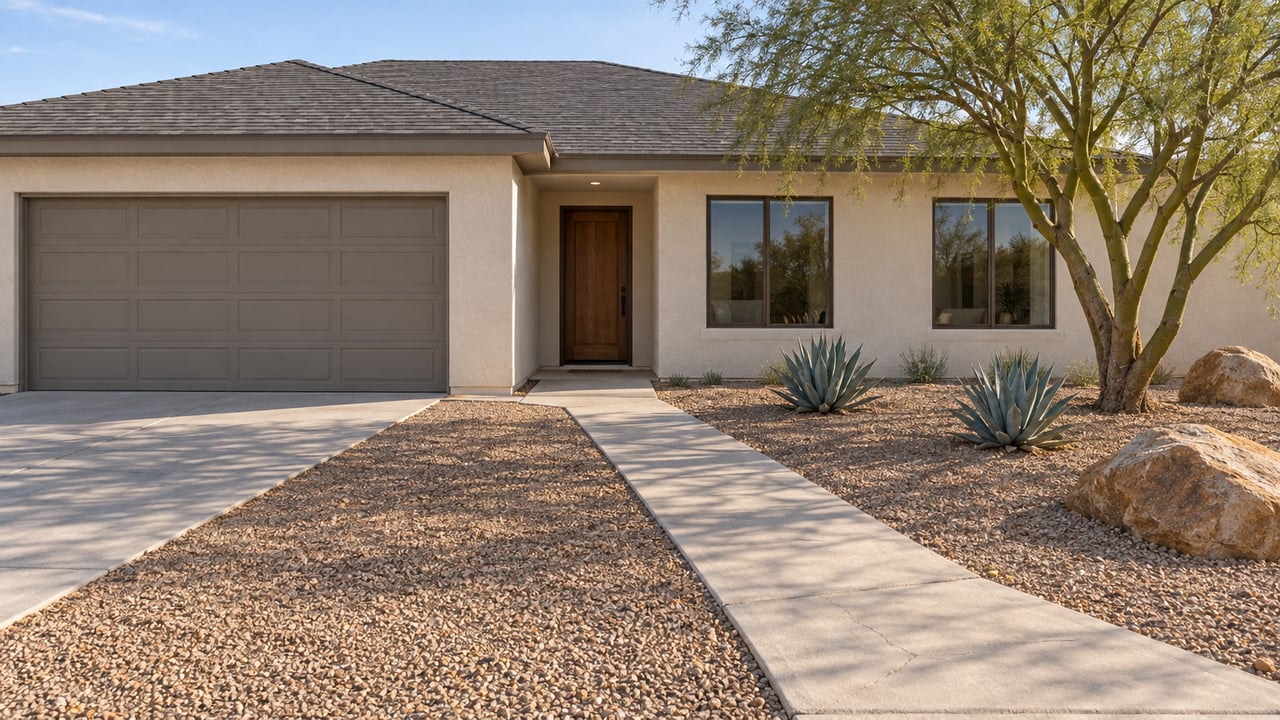
Single-story ranch layouts often work well because they can be easier to divide without a major rebuild. Older homes may also be worth a closer look if the existing structure offers conversion options under Mesa’s current rules.
The goal is not just to create a rental area. The goal is to create a setup that feels functional for you and for the person renting from you.
Is a Roommate Automatically a Tenant?
In Arizona, this is one of the biggest issues to understand before you house hack. A person is generally treated as a tenant if they have paid or agreed to pay rent, even if they only occupy part of a house.
That means a roommate arrangement can trigger landlord-tenant rules. Arizona courts also note that landlords cannot simply change locks or turn off utilities to force someone out.
If you plan to rent part of your home, clear documentation matters. A written lease and simple house rules can help set expectations early and reduce confusion later.
HOA Rules Can Change the Plan
If the home is in an HOA, do not assume your rental plan will work just because Mesa zoning allows it. Arizona HOA law says an owner may use property as a rental unless the declaration prohibits it, and the owner must follow any declaration rental time-period restrictions.
That means the real question is not just, “Can I rent this property?” The better question is, “What does this specific HOA declaration allow or restrict?”
Arizona law also limits what an HOA can demand from an owner about tenants. It can request limited occupant and vehicle information, but not the tenant’s application, credit report, or a copy of the lease.
Before you make an offer, it is smart to verify the HOA’s rental rules, lease-length limits, and any occupancy-related policies. That small step can save you from a big surprise after closing.
Long-Term vs Short-Term Rental Rules
The type of rental matters too. In Arizona, residential rental is generally defined as 30 or more consecutive days for residential purposes.
According to the Arizona Department of Revenue, cities no longer collect transaction privilege tax on that long-term rental income after January 1, 2025, but property owners still need to register the rental with the county assessor. Short-term rentals follow different transient-lodging rules.
For many first-time buyers, long-term house hacking is the cleaner and more predictable path. It also tends to fit better with a roommate, guest suite, or ADU setup meant to support your own primary residence.
A Simple Mesa Numbers Example
House hacking works best when you screen the numbers early. A quick way to do that is to compare likely rent against the monthly principal-and-interest payment, then remember that taxes, insurance, HOA dues, utilities, vacancy, and repairs still need to fit your budget too.
Using Redfin’s Mesa median sale price of $454,728, a 20% down payment would leave a loan amount of about $363,782. At Freddie Mac’s July 9, 2026 average 30-year fixed rate of 6.49%, that comes out to about $2,297 per month in principal and interest.
Mesa rent estimates vary by source. ApartmentList reports a July 2026 median rent of $1,289, while Zillow reports a May 31, 2026 average rent of $1,556.
Using those figures as rough screening examples:
- $1,289 rent would offset about 56% of the example principal-and-interest payment
- $1,556 rent would offset about 68% of the example principal-and-interest payment
That would leave about:
- $1,008 before taxes, insurance, HOA dues, and maintenance using the lower rent figure
- $741 before those added costs using the higher rent figure
This is not a full underwriting model, but it is a helpful first pass. If the likely rent barely moves the needle, the property may not be worth the extra complexity.
How to Screen a Mesa House Hack
When you tour homes, it helps to think like both an owner and a future landlord. A property can look great online and still be a poor fit for a shared living setup.
Use this quick checklist as you shop:
- Is there a private exterior entrance for the rental area?
- Is there enough separation for privacy?
- Is plumbing nearby if you want a kitchenette or independent suite?
- Does the lot or structure appear to support an ADU plan under Mesa rules?
- Are there HOA rental restrictions?
- Is there enough parking for both households?
- Would the likely rent make a meaningful dent in your monthly payment?
- Would the setup still work well for you if the space sits vacant for a while?
A good house hack should help your budget without creating daily stress. Layout, privacy, and rule compliance matter just as much as headline price.
Build Your Plan Before You Buy
The best house hacks are usually the ones planned early, not improvised after closing. If you know this is your goal, you can target the right floor plans, ask better questions during showings, and avoid homes that look promising but fail the rule or layout test.
It is also smart to confirm key details with the right professionals before relying on any projected savings. In Mesa, zoning, permits, HOA restrictions, rental rules, and tax treatment can all come from different authorities.
If you want a first home in Mesa that gives you more flexibility, house hacking can be a smart path. The right property can lower your effective housing cost and open more options, especially when you go in with clear numbers and a realistic plan.
If you want help identifying Mesa homes with strong house-hack potential, reach out to Braden Johnson for local guidance, smart property screening, and practical support from your home search to closing.
FAQs
What does house hacking mean for a first Mesa home purchase?
- House hacking usually means buying a home in Mesa, living in part of it, and renting out another part such as a room, guest suite, or ADU to help offset your housing costs.
What ADU rules apply to house hacking in Mesa?
- Mesa allows several ADU pathways, including internal renovations, conversions of existing detached structures, and new attached or detached ADUs, with rules that include a separate entrance, size limits, and 5-foot side and rear setbacks for new ADU structures.
Is a roommate in a Mesa home automatically a tenant?
- In Arizona, a person is generally treated as a tenant if they have paid or agreed to pay rent, even if they occupy only part of the home, which is why written leases and clear house rules are important.
Can an HOA in Mesa ban rentals or limit lease terms?
- An HOA may restrict rentals if the declaration says so, and it may also impose rental time-period limits, so you need to review the specific HOA documents before buying.
How much rent could help offset a Mesa mortgage payment?
- Using the research example, rent of $1,289 to $1,556 could offset about 56% to 68% of a $2,297 monthly principal-and-interest payment on a median-priced Mesa home, before adding taxes, insurance, HOA dues, and maintenance.
What home layouts work best for house hacking in Mesa?
- Homes with private exterior access, attached guest suites, bonus rooms, detached structures with conversion potential, nearby plumbing, and enough parking tend to be easier to adapt for house hacking.
Are long-term rentals treated differently from short-term rentals in Arizona?
- Yes, Arizona generally defines residential rental as 30 or more consecutive days, and long-term rental income is treated differently from short-term transient lodging for tax and regulatory purposes.
What should you verify before buying a Mesa home for house hacking?
- You should verify the property layout, Mesa zoning and permit rules, any HOA rental restrictions, expected rental income, and guidance from your lender or CPA before counting on the strategy to work.