Dreaming about a home where your workday ends with mountain air instead of freeway traffic? If you are thinking about buying in Show Low, you are probably looking for more than just a house. You want a place that supports your job, fits your daily routine, and makes life feel a little easier. This guide will help you understand what remote-work living in Show Low can really look like, from internet and winter planning to lifestyle and home features that matter most. Let’s dive in.
Why Show Low Appeals to Remote Workers
Show Low offers a different pace than many Arizona buyers expect. At 6,412 feet in elevation, it has a true mountain-town feel, and the city identifies itself as the commercial and tourism hub of the White Mountains. The U.S. Census Bureau estimates the city’s population at 12,366 as of July 2024.
That smaller-city setting can be a draw if you want more breathing room while still having access to everyday services. The city also notes that the seasonal White Mountains population can rise to around 30,000, which means weekends, tourism, and second-home activity can change the rhythm of town at certain times of year.
For many remote workers, that balance is the appeal. You can enjoy a quieter home base during the workweek while still having access to a more active local scene during peak seasons.
Climate in Show Low Matters
If you are used to lower-desert Arizona, Show Low will feel very different. Long-term climate normals show a mean average temperature of 34.8°F in January and 72.2°F in July, with an annual mean average of 53.1°F. Average annual precipitation is 15.70 inches.
In practical terms, that means cooler summers and real winter weather. If your vision of remote work includes mild summer evenings and a four-season feel, Show Low may line up well with your lifestyle.
Winter is not just a small detail here. The city’s snow-management plan says Show Low averages about 40 inches of snowfall each year, with many storms falling in the 6- to 8-inch range.
City crews use plows, deicer, and priority street systems to keep roads usable, which is helpful. Still, when you buy a home in Show Low, it is smart to think beyond curb appeal and ask how the property handles snow, ice, and cold-weather access.
Remote-Work Internet Starts With the Address
One of the biggest mistakes remote buyers can make is assuming internet service is the same across an entire ZIP code. In Show Low, the better approach is to verify service at the exact address you are considering.
Census QuickFacts reports that 96.6% of households in Show Low have a computer and 90.5% have a broadband internet subscription. That is a strong starting point for digital living, but it does not replace address-level research when your job depends on a stable connection.
The FCC’s National Broadband Map lets consumers search by street address to view provider listings, technology types, and advertised speeds. If you rely on video calls, large file uploads, or cloud-based systems, checking that information early can save you time and stress.
If mobile service is part of your backup plan, keep expectations realistic. The FCC notes that mobile coverage maps reflect outdoor or in-vehicle service, and actual performance can vary based on terrain.
What to verify before you buy
- Fixed broadband availability at the exact address
- Advertised speed options from listed providers
- Whether your work setup needs a mobile backup option
- Router and office placement inside the home
- Any dead zones around the property that could affect calls
Home Features That Support Remote Work
A remote-work home in Show Low should do more than fit your budget. It should support focus during the day and comfort through changing seasons.
Based on the local climate, snow patterns, wildfire planning, and recreation-heavy lifestyle, some features stand out more than others. While these are not formal city requirements, they are practical considerations that can shape how well a home works for you long term.
Features worth prioritizing
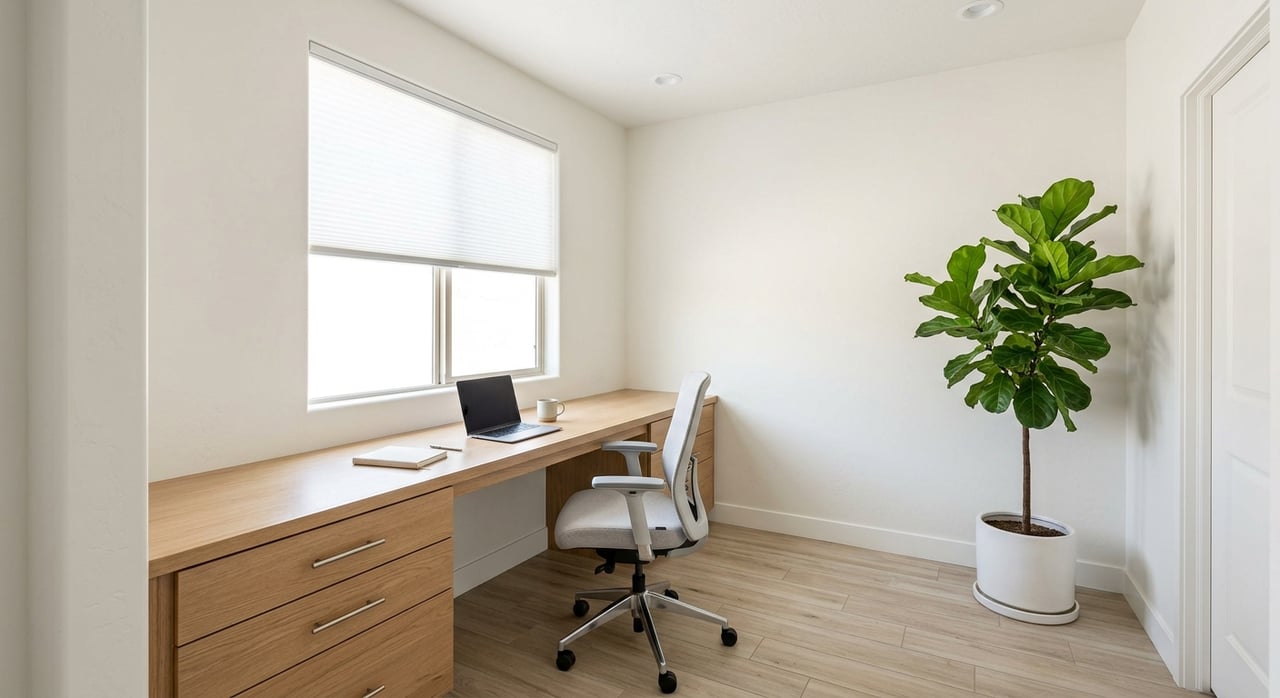
- A dedicated office or flex room for work calls and privacy
- Dependable heating and solid insulation
- Space for seasonal gear and extra storage
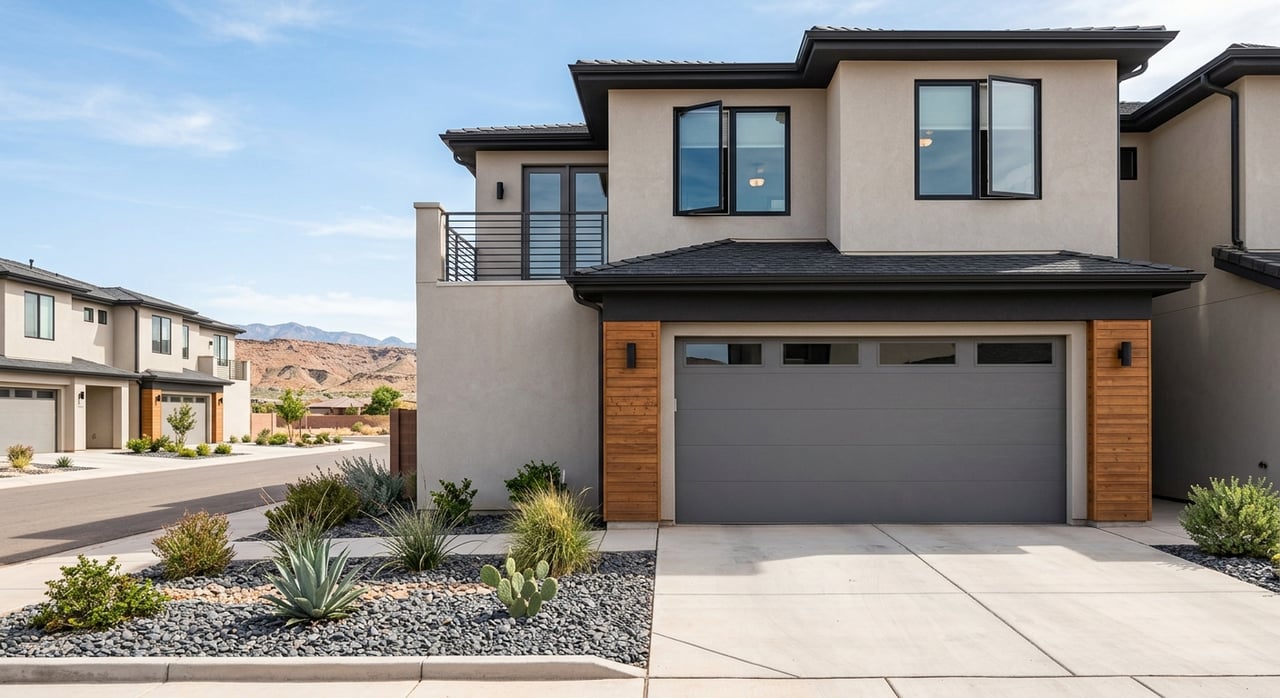
- A garage or covered parking for winter convenience
- A driveway layout that is easier to manage during snow events
If you work from home full time, even a small design detail can matter. A quiet bonus room, a guest room that doubles as an office, or enough wall space for a proper desk setup can make your workdays more productive.
Winter Readiness Should Shape Your Search
In Show Low, winter planning is part of smart home shopping. Snow removal support from the city helps, but your property’s layout still affects your day-to-day experience.
A steep driveway, limited garage access, or a home with weak insulation can feel very different in January than it does during a pleasant showing. If you are buying from out of town, this is one area where local guidance can be especially helpful.
As you tour homes, think about how you would handle a snowy morning before a full day of meetings. Consider how quickly you could get out, where you would park, and whether the home feels ready for colder weather.
Winter questions to ask
- Is the driveway steep, long, or difficult to clear?
- Is there garage space for daily parking?
- What type of heating system serves the home?
- Do the windows and insulation seem suited for mountain weather?
- Will access feel manageable during a 6- to 8-inch storm?
Wildfire Awareness Is Part of Living Here
Show Low’s local living pattern includes wildfire readiness. The city publishes preparedness guidance, and the city along with the University of Arizona and Navajo County Cooperative Extension offers forest-health and fire-mitigation assistance, including defensible-space resources and cost-share grants.
For buyers, that means exterior conditions deserve just as much attention as the kitchen or floor plan. Landscaping, lot maintenance, and surrounding vegetation can all affect how much ongoing work a property may need.
This does not mean every home carries the same level of concern. It means buyers should look at homes with a practical eye and consider how the property aligns with the city’s emphasis on defensible space and fire mitigation.
Exterior items to review
- Vegetation close to the home
- General lot maintenance and clearance
- Roof materials
- Outdoor storage placement
- Space for creating or maintaining defensible areas
Daily Life Beyond the Home Office
Remote work tends to work best when your location supports your off-hours too. In Show Low, the lifestyle story is a major part of the appeal.
The city highlights access to Show Low Lake, Fool Hollow Lake, the White Mountain Trail System, fishing, horseback riding, skiing, hunting, and the Apache-Sitgreaves National Forests. If you like the idea of wrapping up your workday and heading outdoors, that pattern is easy to picture here.
The city also offers amenities that help a relocation feel more complete. Official resources note a public library with a meeting room, reading room, test proctoring, and makerspace, along with an indoor aquatic center, a multi-screen theater, Summit Healthcare Regional Medical Center, the local public school system, and Northland Pioneer College.
That mix matters because remote-work moves are rarely just about internet speed. You are also choosing where you will run errands, spend weekends, access services, and build a routine.
Getting Around and Staying Connected
Show Low is not a commuter-heavy market in the traditional sense, but it does offer useful mobility options. The city operates two public transit lines, Four Seasons Connection and White Mountains Connection.
For occasional travel, the regional airport sits about 1 mile east of town. The airport page states that commercial service is available through Contour Airlines and that Wi-Fi is available in the terminal.
For some buyers, that adds a helpful layer of convenience. If your remote job includes occasional trips, client meetings, or family travel, those local options can make daily life feel more manageable.
How to Judge Lifestyle Fit
The best remote-work home is not always the newest home or the one with the most upgrades. In Show Low, the better fit is often the property that matches how you actually live.
If you want quiet workdays, outdoor access, and a home that handles mountain seasons well, your checklist may look different than it would in a lower-desert market. Flexible interior space, good storage, and practical exterior setup may matter just as much as countertops and finishes.
As you narrow your search, it helps to weigh four key questions:
- Can you verify dependable internet at the exact address?
- Will the home work well during snow and colder weather?
- Does the exterior support defensible-space planning and regular maintenance?
- Does the property fit the lifestyle you want outside work hours?
If you can answer yes to those questions, you are likely looking at a home that supports both your job and your day-to-day life.
Buying for remote work means thinking about more than square footage. You are choosing the setting for your meetings, routines, travel days, quiet hours, and weekends. In Show Low, that decision comes with some unique advantages, including cooler weather, outdoor access, and a mountain-town pace that many buyers find refreshing.
If you are exploring whether Show Low fits your next move, working with an agent who can help you think through practical details can make the process much smoother. When you are ready to talk through your options, connect with Braden Johnson for clear guidance and a more informed home search.
FAQs
What makes Show Low appealing for remote-work buyers?
- Show Low offers a mountain-town setting, cooler summers, real winter weather, outdoor recreation, and everyday amenities that can support a full-time relocation.
How should buyers check internet service in Show Low?
- Buyers should verify broadband availability by the exact street address, since service and speed options can vary from one property to another.
What winter issues should homebuyers consider in Show Low?
- Buyers should look closely at driveway slope, garage access, heating systems, insulation, and how manageable the property may be during snow events.
Why does wildfire readiness matter when buying in Show Low?
- The city emphasizes defensible space and fire mitigation, so buyers should review landscaping, vegetation, lot maintenance, and exterior materials as part of their search.
What local amenities support remote-work living in Show Low?
- Show Low offers recreation access, a public library, an indoor aquatic center, a theater, a regional medical center, public transit lines, and a nearby regional airport with commercial service.
What home features are helpful for remote workers in Show Low?
- A dedicated office or flex room, dependable heating, good insulation, storage space, and practical winter access are some of the most useful features to prioritize.