If you want your first rental property to build wealth instead of headaches, your buy has to work on paper before it ever works in real life. That is especially true in San Tan Valley, where the housing stock, HOA presence, and Arizona heat can all shape your monthly numbers. If you are thinking about buying your first rental here, this guide will help you focus on the details that matter most so you can make a smarter, more confident decision. Let’s dive in.
Why San Tan Valley attracts first-time investors
San Tan Valley is a mostly owner-occupied suburban market, not a place dominated by large apartment buildings. Census QuickFacts reports an owner-occupied housing rate of 82.2%, a median owner-occupied home value of $410,100, and a median gross rent of $2,085. For you as a first-time investor, that points to a market where standard residential rentals can still play an important role.
The same Census profile also shows 3.20 persons per household and 26.8% of residents under age 18. That does not guarantee who your future tenant will be, but it does support the idea that many renters may be looking for practical single-family layouts with enough bedrooms and functional outdoor space. In simple terms, the local housing pattern tends to line up with suburban rental demand.
Another useful number is the 87.4% same-house rate over one year. That suggests San Tan Valley is a relatively settled community, but it should not be treated as a promise of low vacancy. You still want to underwrite your deal with room for turnover, repairs, and downtime between tenants.
Start with the right property type
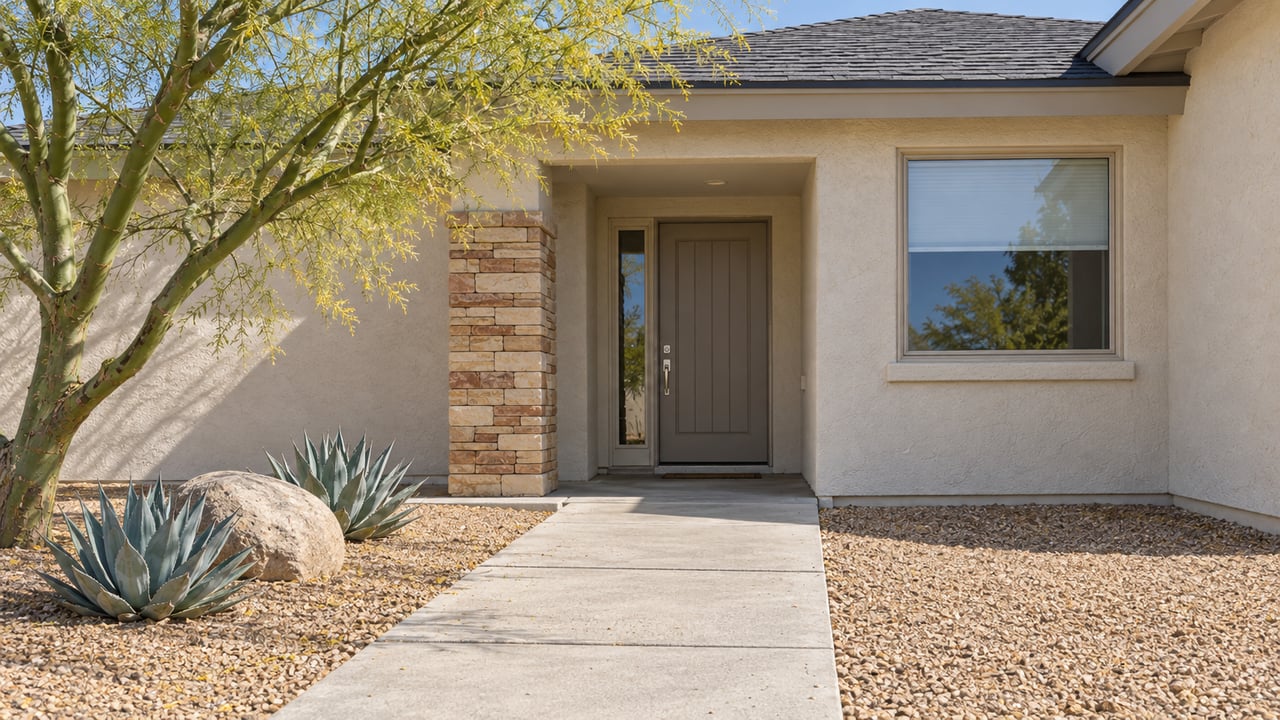
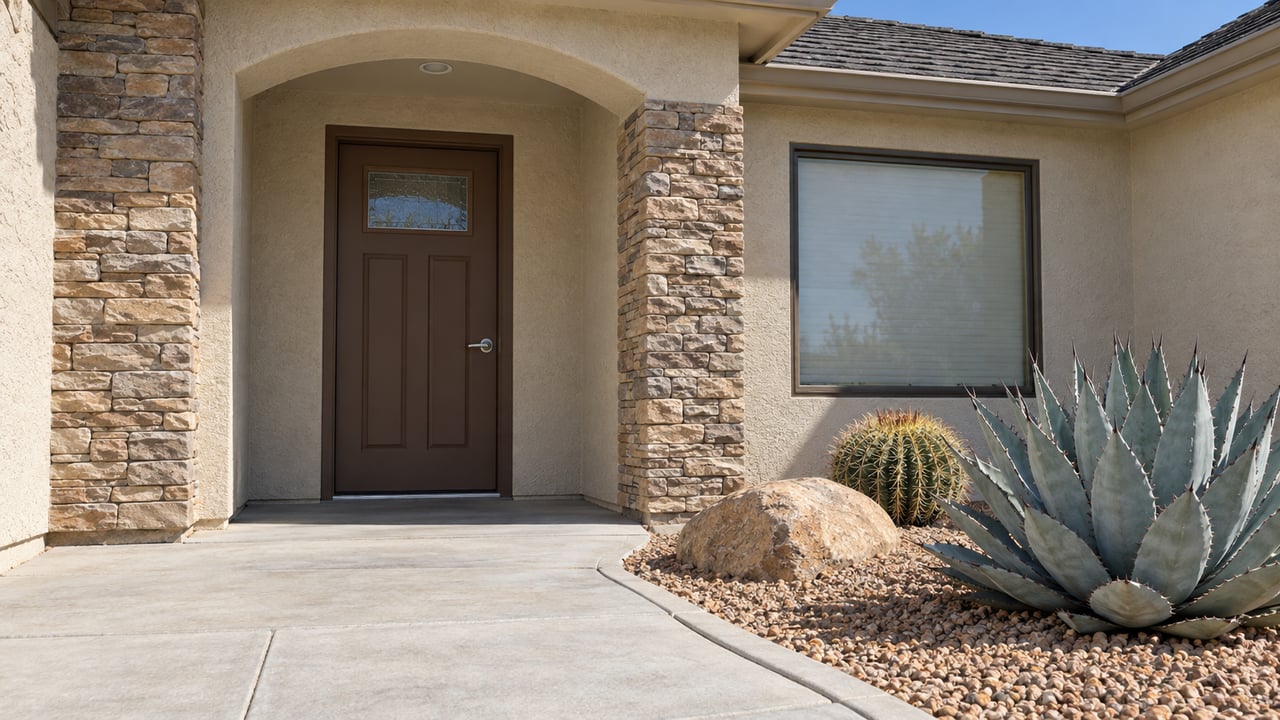
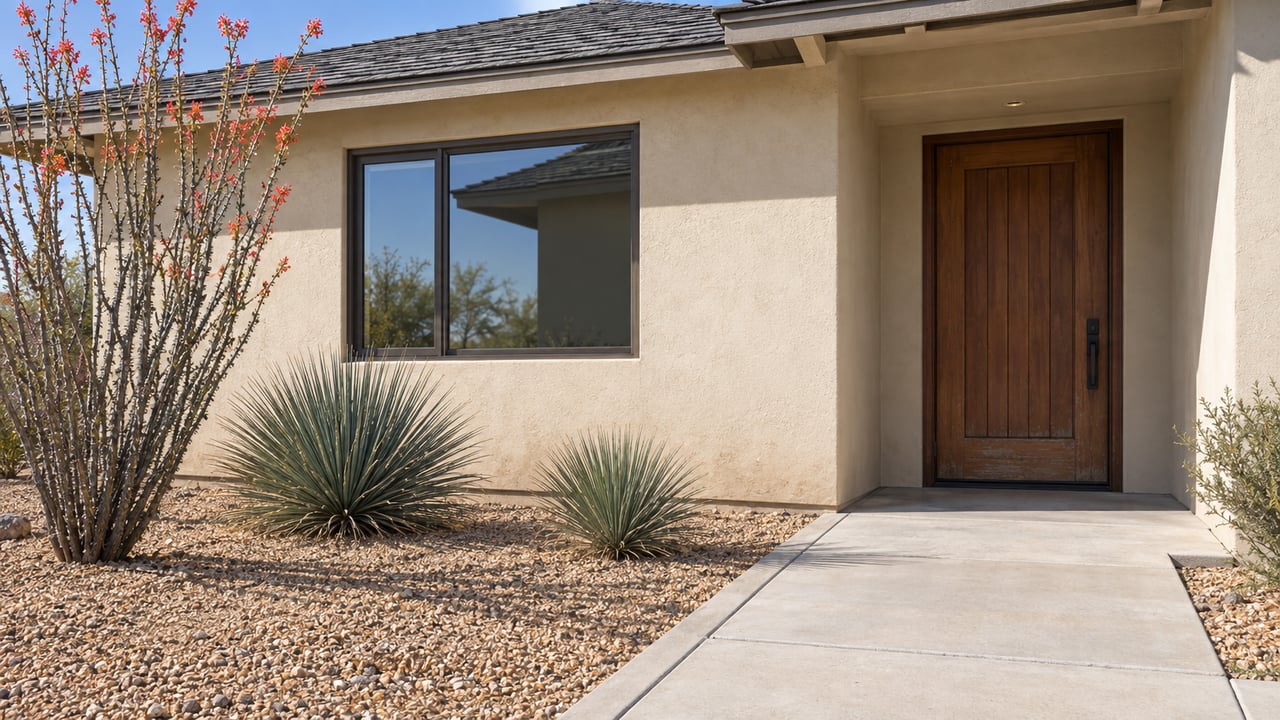
In San Tan Valley, your first search will usually center on detached homes, townhome-style properties, and homes in HOA-managed subdivisions. Pinal County planning materials describe the area as traditional suburban neighborhoods dominated by detached single-family homes, with only limited attached product. That means your best first investment may be a straightforward home that matches the area’s existing housing pattern.
For many first-time buyers, simple is better. A single-family home with manageable maintenance, solid major systems, and an easy-to-understand HOA can be easier to budget for than a property with too many unknowns. The goal is not to buy the most exciting deal. The goal is to buy a property you can run well.
Why HOAs matter so much
Many San Tan Valley subdivisions include HOA-maintained amenities and rules that can affect both monthly expenses and tenant appeal. County park-planning materials note that recreation amenities in many subdivisions are owned and maintained by HOAs for residents’ private use. That means HOA dues, rule changes, and community standards can directly affect your bottom line.
Before you write an offer, review the HOA documents carefully. You want to understand rental restrictions, fee structure, maintenance responsibilities, and any rules that could impact your ability to lease the property smoothly. Even a property with strong rent potential can become a poor investment if the HOA limits how you operate it.
Focus on condition, not just price
A lower purchase price can look great at first glance, but major repair risk can erase that advantage quickly. In San Tan Valley, HVAC condition deserves special attention because Arizona landlord law requires landlords to maintain cooling systems when they are installed and offered. The Arizona Attorney General has also warned that AC failures can violate Arizona law.
That makes big-ticket items especially important during your property search. Pay close attention to:
- HVAC age and service history
- Roof age and visible wear
- Window and insulation condition
- Plumbing and electrical updates
- Signs of deferred maintenance
For a first rental, predictable systems usually matter more than cosmetic upgrades. A home with a newer HVAC system and a solid roof may be a stronger investment than a prettier home with expensive repair risk hiding behind fresh paint.
Build repair reserves from day one
Even a well-kept property will need maintenance. Arizona law requires landlords to keep rental premises fit and habitable, so your budget should include more than just the mortgage payment. If the property is tight on cash flow without a repair reserve, it may be too tight for a first deal.
A conservative reserve can help you handle AC repairs, cleaning between tenants, and routine wear without scrambling. That kind of planning is not pessimistic. It is what helps you stay in control when ownership gets real.
Run your cash flow the smart way
A first-time investor mistake is assuming rent minus mortgage equals profit. Real cash flow is more detailed than that. The better approach is to build your estimate line by line using ordinary operating costs.
According to IRS Publication 527, common rental expenses include mortgage interest, property taxes, insurance, repairs, maintenance, cleaning, utilities paid by the owner, management fees, and professional or legal costs. That same guidance also notes that mortgage principal is not treated as a rental expense, which is why your monthly payment and your tax picture are not the same thing.
A simple rental math framework
When you analyze a San Tan Valley rental, start with:
- Expected monthly rent
- Vacancy allowance
- Property taxes
- Insurance
- HOA dues
- Repairs and maintenance
- Cleaning and turnover costs
- Property management, if used
- Utilities paid by you
- Professional and legal costs
- Mortgage interest
This kind of breakdown helps you see whether the property works with real-world expenses built in. It also helps you compare two homes more clearly, especially if one has lower taxes and a stronger HOA while another has a slightly higher projected rent.
Do not ignore vacancy costs
Vacancy is not just lost rent. It is also the period when you may still be paying taxes, insurance, HOA dues, utilities, and cleaning costs with no income coming in. IRS guidance says ordinary and necessary expenses can generally be deducted while a property is vacant if it is still being held out for rent, but lost rental income itself is not deductible.
That distinction matters because a vacant month still hits your bank account. For your first rental purchase, assume turnover will happen and build that reality into your numbers from the start.
Confirm parcel-level taxes and zoning
One of the easiest ways to make a bad estimate is to rely on broad averages. In Arizona, property taxes are parcel-specific. Pinal County’s Assessor determines value for locally assessed property, and those values are used to calculate taxes due to the relevant local taxing authorities.
So before you buy, confirm the tax picture for the exact property you want. Do not assume one house will carry the same tax burden as another nearby home. Small differences in assessed value or taxing jurisdictions can change your monthly math.
Zoning and permit questions also need a property-specific review. Pinal County’s planning division provides the public framework for checking zoning, permits, parcel use questions, and related land-use issues. If you are considering any future change in use or want to confirm what is allowed, verify it before closing, not after.
Understand your landlord responsibilities
Buying a rental is not just about finding a property with decent rent potential. It also means stepping into legal and operational responsibilities. Arizona fair housing rules apply to rentals, and the Arizona Attorney General’s Civil Rights Division enforces the state fair housing law.
For you, that means tenant screening, advertising, and communication all need to be handled carefully and consistently. Your standards should be clear, neutral, and compliant. Good systems do more than protect your investment. They help you operate professionally from the beginning.
The Arizona Department of Housing also says there is no state agency that enforces the Residential Landlord and Tenant Act and advises people seeking guidance to consult an attorney. That is a good reminder to lean on qualified legal and tax professionals when you have questions beyond the real estate purchase itself.
What a strong first deal often looks like
In San Tan Valley, the most practical first-rental strategy is often a straightforward single-family home in an HOA-managed subdivision with solid major systems and conservative cash-flow assumptions. That approach lines up with the area’s suburban housing stock and helps reduce some of the complexity that can overwhelm first-time investors.
A strong first deal often checks these boxes:
- Property type fits local housing patterns
- HOA rules are reviewed and workable
- HVAC and roof are in solid condition
- Taxes are confirmed for the exact parcel
- Vacancy is modeled conservatively
- Repairs and reserves are included in the budget
- Rent expectations are based on realistic comps
This is where a local agent can add real value. Comparing subdivisions, reviewing HOA details, pulling rent comps, and spotting red flags before you write an offer can save you from an expensive learning experience.
How to buy with more confidence
Your first rental property does not need to be perfect. It needs to be understandable, supportable, and financially realistic. In San Tan Valley, that usually means keeping your focus on suburban single-family homes, major system condition, HOA details, and honest underwriting.
If you approach the purchase with conservative numbers and strong due diligence, you give yourself a much better chance of owning a rental that serves your long-term goals instead of constantly draining your time and cash. If you want help comparing properties, reviewing neighborhood differences, and building a smarter purchase strategy in the Southeast Valley, connect with Braden Johnson.
FAQs
What is the best first rental property type in San Tan Valley?
- For many first-time investors, a straightforward single-family home is the most practical starting point because San Tan Valley is largely made up of suburban detached housing with limited attached product.
Why do HOA rules matter when buying a San Tan Valley rental?
- HOA rules can affect rental restrictions, monthly dues, maintenance responsibilities, and tenant appeal, so they can change both your operating costs and how easy the property is to lease.
How should I estimate cash flow on a San Tan Valley rental?
- Start with expected rent, then subtract vacancy, taxes, insurance, HOA dues, repairs, maintenance, utilities you will pay, management fees if applicable, professional costs, and mortgage interest.
Why is HVAC condition so important for Arizona rental properties?
- Arizona landlord law requires landlords to maintain cooling systems when they are installed and offered, which makes AC performance and repair planning especially important in a hot climate.
Should I use average property tax numbers for a San Tan Valley investment property?
- No. Arizona property taxes are parcel-specific, so you should verify the tax estimate for the exact property instead of relying on a general average.
What should I verify before closing on a rental in Pinal County?
- You should confirm parcel-specific taxes, review HOA documents, inspect major systems like HVAC and roof, check realistic rent comps, and verify zoning or permit questions through the appropriate county resources.